The alarm rings at 5:15 a.m.
There is a short silence before the sounds of Africa start coming through. You can hear the roar of a lion from a distance, among other sounds. Birds are starting to sing with the first rays of the sun; meanwhile, you’ll feel the damp smell of grass.
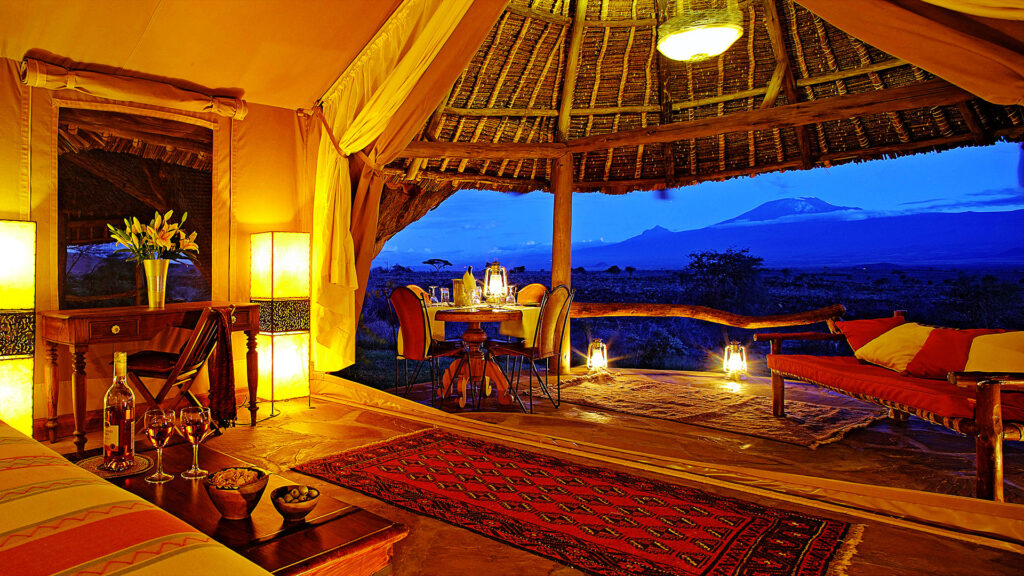
You zip your tent and get out of it.
Though it is still dark, a faint orange hue can be seen on the horizon. However, you glimpse a single giraffe wandering among acacia trees in dim light; several antelopes are grazing nearby.
This is not just another vacation.
This is the start of a new, exciting safari in East Africa.
Before the World Wakes Up
The camp has gradually begun to function again.
An employee of the camp welcomes you with a friendly smile and gives you a hot cup of fresh Kenyan coffee.
The heat of the cup is soothing after the chilly morning air.
There isn’t a sound of traffic.
There aren’t any notifications on the phone.
There are no crowded streets.
Only the remote sounds of wild animals can remind you where you are.
After a few minutes, everyone gets together beside the safari jeep.
The blankets are already rolled properly on the seats, waiting for the cold morning ride.
The guide has taken the driver’s seat with confidence.
He knows the land he has been observing for many years.
Today, the meat will tell a different story again.
The First Drive of the Day
As the vehicle departs from camp, the earliest sunlight starts to arrive.
The African sunrise is quicker than expected.
In just a few minutes, the dark sky is transformed into bright orange, gold, and soft pink.
At this time, the whole savannah comes to life.
A family of warthogs crosses the trail with their tails straight up.
Some jackals disappear into the bushes around.
The search is on.
Again, thousands of birds take off from the bush nearby.
Suddenly, the guide stops the vehicle.
He points towards a track that crosses the road, indicating some fresh lion tracks.
Everyone becomes silent.
Nature Sets the Schedule
In safari, unlike in a zoo, nothing is guaranteed.
Here, animals decide their destination.
Guides only find clues and follow in the tracks of the animal.
New footprints.
Broken tree branches.
Birds are making alarm calls.
Movement in the distance.
The guide follows the signs in the acacia woods.
Then he stops.
“There!”
At first, nothing is visible.
Then the eyes get accustomed.
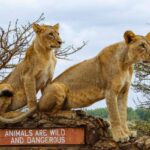
Under a tree is a lioness who is hiding very well in golden grass.
Three little cubs are playing nearby, and the lioness is watching them from a distance.
No fences.
No restrictions.
Wild nature is as it was intended to be.
Everyone watches without saying anything.
No one wants to break the spell.
Breakfast in the Middle of Nowhere
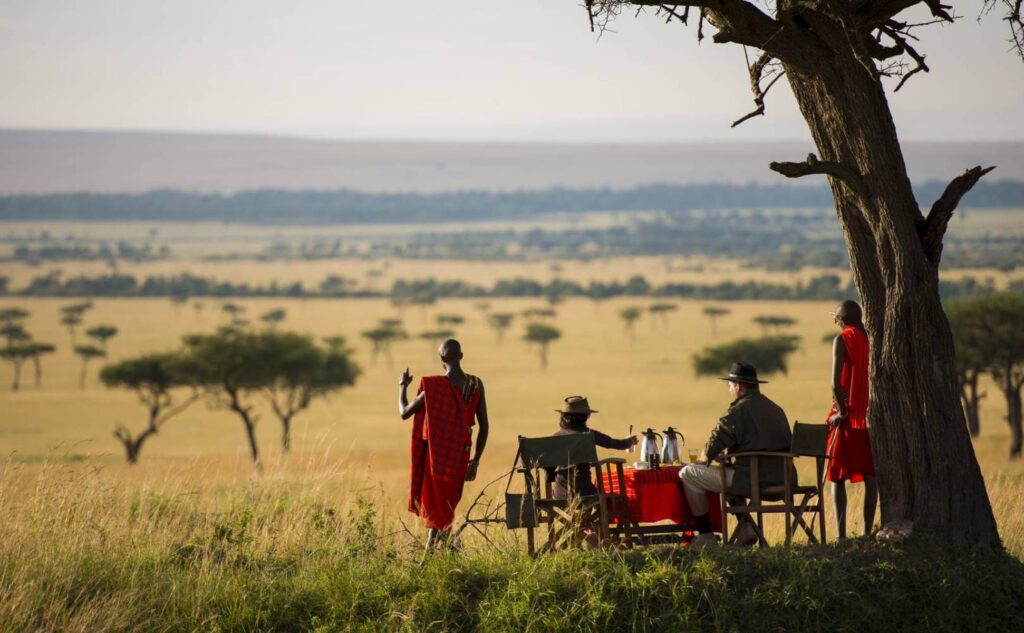
A few hours later, the car drives into a calm clearing.
There’s a table set for you at the campsite.
They have fruits. Pastries. Eggs. Juice. A cup of Kenyan coffee.
It seems unreal.
One moment, you are watching elephants walking in the prairies.
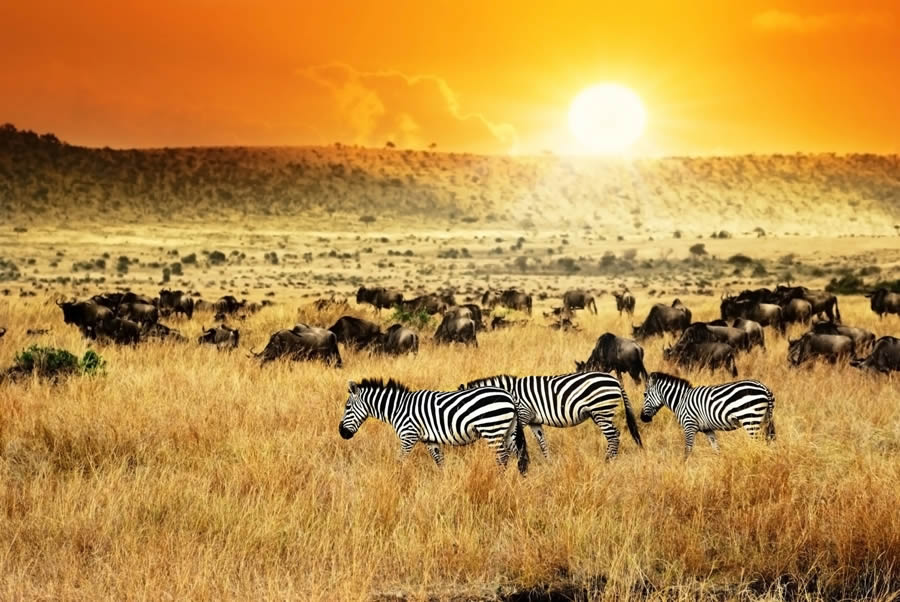
And in another second, you are having breakfast while zebras are grazing a few yards away from you.
There is no restaurant.
Only vast wilderness.
Every Turn Brings Another Surprise
In the morning, one fascinating scene follows another.
A group of giraffes eats lazily at acacia trees shaped like umbrellas.
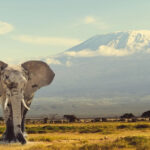
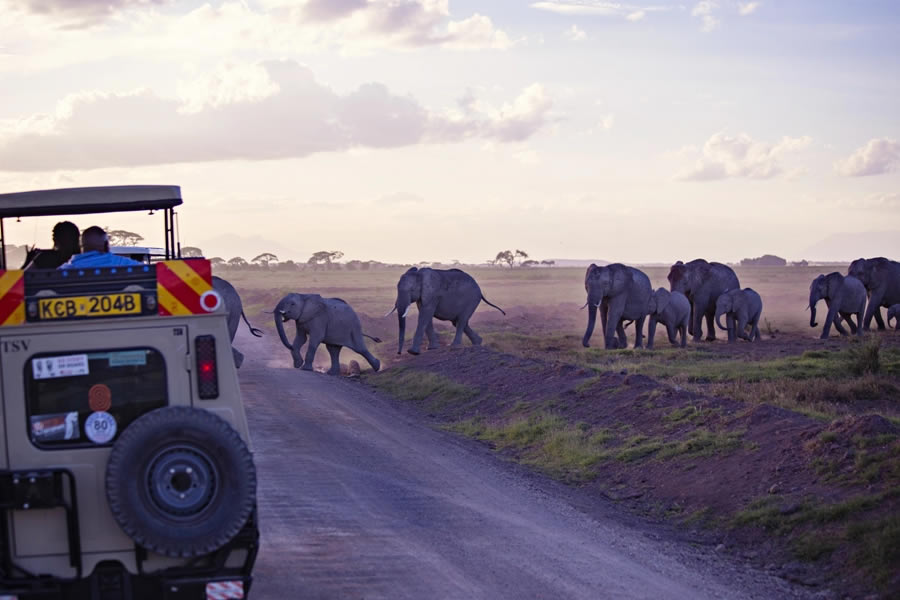
A herd of elephants travels slowly across the street, with the youngest one sticking closely to its mom’s feet.
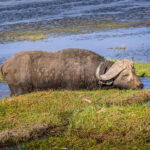
Further down the road, a large herd of buffalo covers the landscape.
The guide sees something moving on the riverside.
A crocodile lies almost still next to the river, while many hippos appear and bellow loudly.
An experienced guide knows that no two game trips are alike and considers this a key part of the magic – every day has its own story.
Meeting the People Who Call This Place Home
The safari changes course in the late morning.
The safari vehicle travels out of the national park to reach a neighboring village.
The children wave at the visitors.
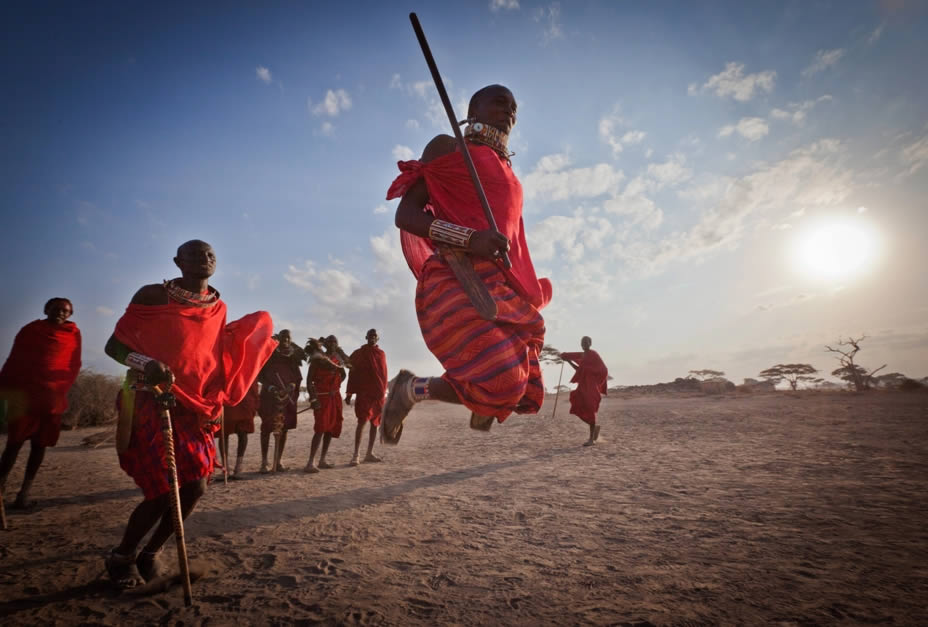
The villagers are led by a village chief who welcomes everyone with a smile and starts explaining how local people live beside the wildlife areas.
This is where the local people share their habitats with the local fauna.
It is here that people live alongside the wildlife.
Cows graze among zebras.
Elephants sometimes cross the farms.
The conservation idea becomes a unique everyday reality.
The visitors understand the local traditional houses, bead making, customs, and care for animals that need to be done for future generations.
The Quiet Hours
The sun is high at this time of day, and it is quite peaceful in the bush. Many animals have hidden under trees to avoid the heat.
Back at the campground, everything seems to be slower.
Some visitors are lounging beside a pool.
The others are just resting in the hammocks, watching the waterhole.
Suddenly, an elephant walks over.
After a little while, another one arrives.
Finally, a bunch of elephants come and join them to have a drink.
This wasn’t planned, as nature has its own way to go about things.
You have a book you haven’t opened yet.
The Golden Hour Begins
About four o’clock, the cars depart again.
The afternoon light has transformed.
Every object glimmers with a deep golden hue.
Dust settles slowly behind the car as it takes the winding path through the savannah.
This is the time the bush awakens.
A cheetah spots its prey lying on the termite mound.
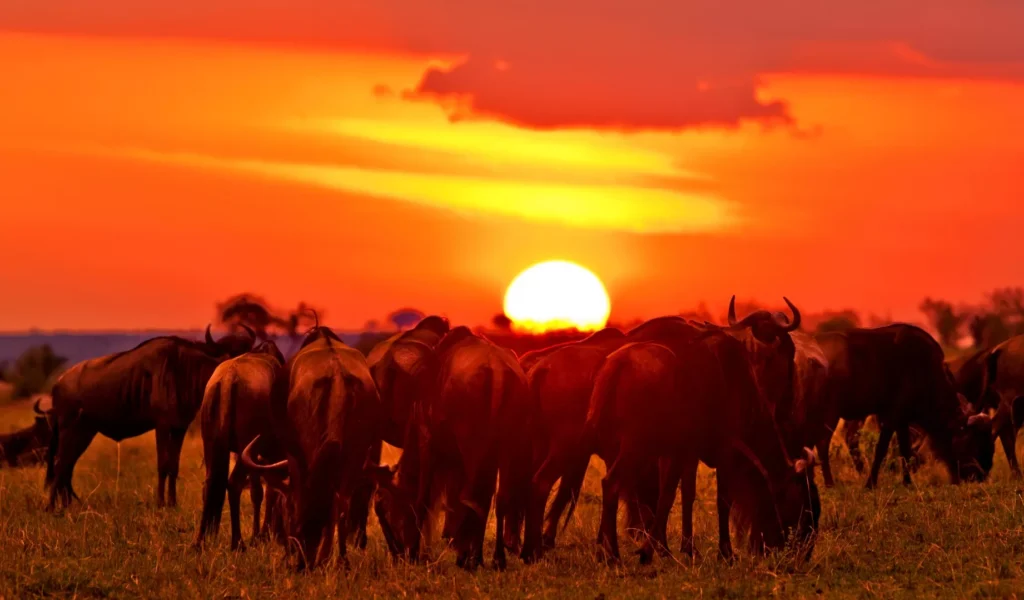
Hundreds of wildebeests pass through grassy fields.
A martial eagle flies in the air.
And here is the moment everyone waits for.
A leopard.
Relaxing on a thick branch of a sausage tree.
It hardly responds to the vehicle.
Its confidence is impressive.
The guide smiles.
“This is the reason we go out again.”
When the Sky Becomes the Main Attraction
Ultimately, the driver stops the car on a little hill from which the never-ending flatlands can be seen.
The engine ceases working.
The silence comes back.
The sun starts going down slowly.
The sky changes its color once more.
The orange changes into red.
The red changes into purple.
The clouds shine as if painted.
Somewhere, some elephants carry on with their evening way, and the giraffes are already just silhouettes.
Nobody speaks.
It is a time when words are not required.
Dinner Beneath a Thousand Stars
Nighttime breeds quickly.
Upon returning to base, lamps glitter in the distance.
A blaze flickers and dances in the heart of camp.
Travellers congregate, exchanging experiences about their day accordingly.
An individual captures a lion sighting first.
Someone else takes pleasure in snapping elephant images at the crack of dawn.
Supper is provided under the starry sky.
Light pollution is absent.
The view of milk ways is splendid.
Various local dishes are served while nighttime sounds pulse in the air.
The laughter of hyenas can be heard in the distance.
At a nearby wood, an owl hoots.
A Different Kind of Luxury
As the night nears its end, you come to the understanding that true luxury does not lie within gourmet meals or nice places to sleep.
It lies in time.
Time to observe a herd of elephants, without keeping track of the time.
Time to relax under a tree.
Time to enjoy silence.
Time to experience nature again.
East Africa offers something unique—a chance to slow down and watch the world.
Tomorrow Will Tell a Different Story
When you leave your room for the last time to take a look at the dark savannah.
Out in the bush, the lions are setting out on their night patrols.
The secretive leopards cross the trees.
The hippos are done eating in the water and have left to feed on land.
The wilderness is ready for the next episode of survival.
Tomorrow morning, before the sun comes up again, a new adventure begins.
This could be the moment when you see the fastest animal on land sprinting across the fields.
Or you might witness an elephant herd passing by.
Or you could grant yourself the luxury of doing absolutely nothing while watching the sunrise that will color the entire view.
This is the beauty of the safari in East Africa.
Every day is entirely different.
Each day starts a new adventure.
With every sunset, you receive something memorable.
And long after this incredible trip, you will realize that it was not only about the wildlife encountered.