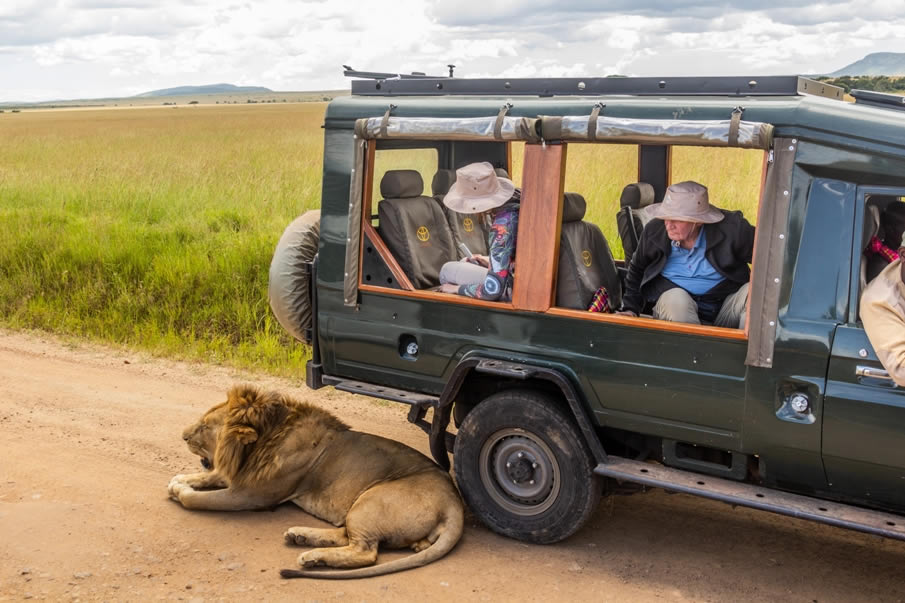
Kenya has become a popular destination for overseas tourists seeking wildlife safaris, breathtaking beaches, rich culture, and outdoor activities. Among other things, you can watch elephants under Mount Kilimanjaro in Amboseli National Park, visit the Maasai Mara, sunbathe on Diani Beach, and explore the capital, Nairobi.
However, before booking flights, you must understand Kenya’s entry regulations and have all travel documents ready. Failure to prepare any of the required documents or getting wrong details in the passport or travel authorisation can lead to delays and spoil your vacation.
The guide below provides information about passport validity, the Electronic Travel Authorisation (eTA), additional documents, exemption categories, health issues, and some other tips needed to take before the trip to Kenya.
Important: This information is correct as of the time when this manual was published. Always verify the entry conditions with the Kenyan authorities or your airline before leaving.
1. Check Your Passport Validity
It is vital that you verify the validity of your passport to travel to Kenya. Before making your travel plans, check the expiry date of your passport to ensure that it meets the entry requirements of Kenya.
Kenya’s eTA rules state that your passport should be valid for at least half a year, with at least one blank page inside.
For instance, if you are travelling to Kenya on 10 June 2027, your passport should be valid until at least 10 December 2027.
Before departure, make sure that:
- Your passport is valid for the length of stay you require.
- You have a free page.
- Your details on the passport are correct.
- Your passport is not damaged.
- Your name corresponds with the details of the flight.
In the event that your passport is close to expiry, you will need to apply for renewal before the eTA application process. If you secured a new passport after being granted an eTA, seek advice from relevant authorities on the eTA process.
2. Understand Kenya’s Electronic Travel Authorisation (eTA)
Before heading to Kenya, most inbound travellers are required to have the Electronic Travel Authorisation (eTA).
The eTA is an electronic travel authorisation that is issued by the immigration authorities of Kenya. While it plays a vital role in the entry procedure of the country, it is different from a regular visa.
Travellers who want to enter Kenya for business, tourism, or other valid purposes should check if they need an eTA.
Who needs a Kenya eTA?
Most foreign travellers, including infants and children, need to have an eTA before entering Kenya unless they fall into the category of exempted travellers.
How do you apply?
The application takes place through the online government portal.
The standard process requires:
- Going to the official Kenya eTA site.
- Choosing the right application type.
- Filling out personal information and passport information.
- Indicating travel dates and route.
- Submitting a necessary photo and relevant documents.
- Paying the fee.
- Submitting the application and monitoring the process.
- Receiving and/or printing out the approval when granted.
According to official sources, applications are usually processed in three working days, but some applications may take longer. They suggest making an application at least two weeks before departure.
To ensure your holiday in 2027 goes smoothly, don’t leave your application to the last minute!
Visit the Kenya Electronic Travel Authorisation website and apply through it only. Be careful with other websites that charge extra and assure you of approval.
Always keep in mind that eTA approval doesn’t mean you can enter Kenya. Your admission still depends on immigration processes at the borders.
3. Documents Required for a Kenya eTA Application
It is advisable to begin preparing for the requirements needed before starting the application process.
In general, the following requirements on Kenya’s eTA official website must be taken into consideration:
A valid passport: The passport should have a certain validity period and at least one blank page.
Recent photograph: You may need to upload a selfie or passport-style photo that follows the provided requirements.
Contact information: Make sure you have a working email address as well as a phone number.
Travel itinerary: Provide the date of arrival and departure information.
Accommodation confirmation: This includes hotel room reservation, safari camp booking, etc.
Payment method: Be prepared to pay with your credit card, debit card, or any other accepted payment method.
Depending on the applicant’s nationality, relaxation may also be needed in some other documents.
In fact, business travel applicants are expected to bring an invitation letter from their company as well as documents proving that the companies are registered.
People who travel solely because they want to visit their family members may be required to provide information and/or an invitation letter in this regard.
Business-related people and medical travellers may also be required to bring supporting documents.
Make sure to check the exact requirements while applying for a visa and don’t assume that everyone needs to bring the same documents.
4. Who Is Exempt from Kenya’s eTA?
Not everyone journeying to Kenya requires an eTA. The rules regarding exemptions apply to only specific categories of travellers. This means that eligibility will depend on the respective immigration regulations.
The official statement includes as many categories of people as:
- Holders of a valid Kenyan passport or of the Kenyan emergency travel documents.
- Holders of permanent residency in Kenya, proper work permits, and passes.
- Citizens of the East African Community partner states referred to in exemptions.
- Certain travellers with Kenyan re-entry passes or with any written authorisation.
- Passengers whose transit doesn’t include leaving the airport premises.
- Certain qualifying crew members.
Burundi, the Democratic Republic of the Congo, Rwanda, South Sudan, Tanzania, and Uganda, according to the conditions, are among the nationals of East African partner states exempt from eTA.
Other nationalities can be exempt as well, depending on the regulations and period of stay.
Do not think that exemption from eTA means that you do not have to take into account other norms.
5. Keep Supporting Travel Documents Ready
After receiving your eTA, it is necessary to prepare the travel documents that an airline or immigration officer may ask for.
- Your return or onward ticket
Make sure your return ticket is handy so that you can show your plans.
- Accommodation proof
You should save your travel accommodation confirmation as well if you are not staying at a hotel.
For example, if you are visiting someone, make sure that you save their number and any permissions required by the visa.
- Safari and tour bookings
If you are going on vacation, make a document verifying your safari booking or any relevant details.
In case you are visiting various places, you should ensure that you have your hotel arrangements and flight itinerary ready.
- Proof of funds
If required, you should demonstrate to the inspector that you have enough money to support your trip.
- Travel insurance
Travel insurance is an essential readiness step, whether it is a requirement in your category of entry or not.
Select the right travel insurance for the activities you will be undertaking, such as medical emergencies, cancellations, lost luggage, and evacuations.
Hikers, divers, and safari tourists should check if their insurance policies include damages caused during these activities.
6. Understand Kenya’s Health Requirements
Health measures are also quite important when planning for your journey to Kenya. The necessary requirements may depend on where you’re coming from, whether you have travelled prior or what the state of public health is.
- Vaccination against yellow fever
Anyone arriving in Kenya from areas that are threatened by yellow fever must produce an authentic International Certificate of Vaccination or Prophylaxis, also known as a yellow fever certificate.
If you are travelling to Kenya after going to another country, find out if you are subject to this requirement.
The Ministry of Health in Kenya recommends that a yellow fever vaccine be administered several days prior to departure.
Seek advice from a qualified health professional about the need for a yellow fever vaccination and certificate prior to departure.
- COVID-19 and other health guidance
Health regulations may alter due to developments in public health situations. Before taking off, tourists should look for the latest official Kenyan information instead of depending on older articles or recommendations.
It is also wise to verify the regulations of the transit destination as those may vary from Kenyan rules.
- Prevention of malaria
Malaria is a disease found in certain areas of Kenya with different levels of danger depending on where you are.
Health experts recommend precautions before visiting safari parks or coastal areas.
Depending on your travel plan, the recommendations may involve using preventive medicine, mosquito protection, and light-coloured clothing and mosquito netting to sleep in high-risk places.
Make sure you have enough medicine for the entire trip and keep the relevant medical documents in place.
7. Plan Your Flights and Transit Arrangements
Before boarding your flight, ensure that the name on your flight ticket aligns with that of your passport. It is advisable to double-check the travel dates, airports, baggage limits, and any moments of transit throughout your journey.
Check if you need a transit visa when crossing another country, as some countries request a transit visa even when the passenger doesn’t plan to leave the airport.
Ensure that you have enough time between connecting flights, especially if your flights are on separate tickets.
Nairobi’s Jomo Kenyatta International Airport serves as one of the international airports for entry into Kenya. Depending on how you plan your travels, you might arrive through another official international airport or border crossing.
If you are going to a destination for a safari trip right after landing at the airport, make sure to arrange your arrival time with the tour operator so that you have enough time for immigration clearance, baggage collection, and transfer from the airport to your destination.
8. Prepare for Your Safari, Beach Holiday, or City Tour
Now that your visa is approved, it’s time to prepare for the activities that you are going to do during your stay.
For a Wildlife safari
If you are heading to the Maasai Mara, Amboseli or any other wildlife destination, make sure to bring:
- Comfortable, neutral-toned clothes.
- A light jacket for cold mornings.
- Good walking footwear.
- A hat and shades.
- Sun protection products and insect repellent.
- A pair of binoculars and a camera if you wish to.
- Medication and home essentials.
It’s crucial to note that temperatures can fluctuate depending on the time of year, so layering would be a better choice than packing warm clothes.

Beach vacation
When travelling to Diani, Watamu, Malindi, or Mombasa, make sure to include beach shorts, swimwear, protective creams, and appropriate shoes in your luggage.
If you want to snorkel, dive, or engage in other aquatic activities, check out equipment availability with your operator.
Going for hiking and city tours.
To hike in the mountains, make sure you are equipped with appropriate shoes, rainwear, and clothing that’s fitting for the terrain and altitude.
During city tours, one needs to have comfortable footwear and clothes appropriate for the climatic conditions.
9. Prepare Your Money, Phone, and Essential Contacts
Making practical arrangements means your trip to Kenya will be less complicated.
The currency used in Kenya is the Kenyan shilling (KES). The money can be exchanged by visitors through registered dealers or with payment cards in some places.
You must inform your bank about your travelling plans, check if there are any foreign transaction fees, and have at least some cash with you.
Mobile services are widely available in towns and cities, although in remote places the coverage can be poor. Check what the fees for international roaming are, or see how to get a local SIM card or eSIM.
Keep important information on your mobile phone and make copies in some other medium.
10. Your Pre-Departure Checklist for Kenya in 2027
Put this list to use before getting ready for your journey.
Travel documents
- Passport should satisfy validity conditions.
- Passport should contain at least one unmarked page.
- An applicable eTA is obtained, if needed.
- Flight and accommodation reservations are saved.
- The details of return or onward travel are available.
- Backup documents are prepared.
- Transit requirements are checked.
Health and safety
- It should be checked if yellow fever vaccination is mandatory.
- All necessary health-related travel advice should be obtained.
- Medicines should be brought along.
- Travel insurance is arranged.
- Emergency contact numbers are saved.
Practical arrangements
- Bank and payment issues should be checked.
- Mobile communication should be arranged.
- Airport transfers should be arranged.
- Luggage restrictions concerning the safari should be checked, if necessary.
- All important documents should be kept securely.
- Entry requirements should be checked right before departing.
Conclusion
A trip to Kenya in 2027 requires you to know the entry criteria for the country so that you can also arrange for your travel documentation on time.
For different international travellers, it requires them to check their passport validity, obtain an eTA where necessary, apply for accommodation and make travel arrangements, and check the supporting documents needed for their visit.
Health preparations are just as vital. Yellow fever regulations, malaria prevention, among other health aspects, need to be understood based on where one is going and what one will do during their trip.
You should finally make the necessary arrangements concerning your travel tickets, accommodation, transportation, travel insurance, and contacts. This will help lessen the stress of your travels.
Kenya is the right destination for anyone wanting to experience everything from safaris and birdwatching to coastal trips, cultural connections, and mountain climbing.