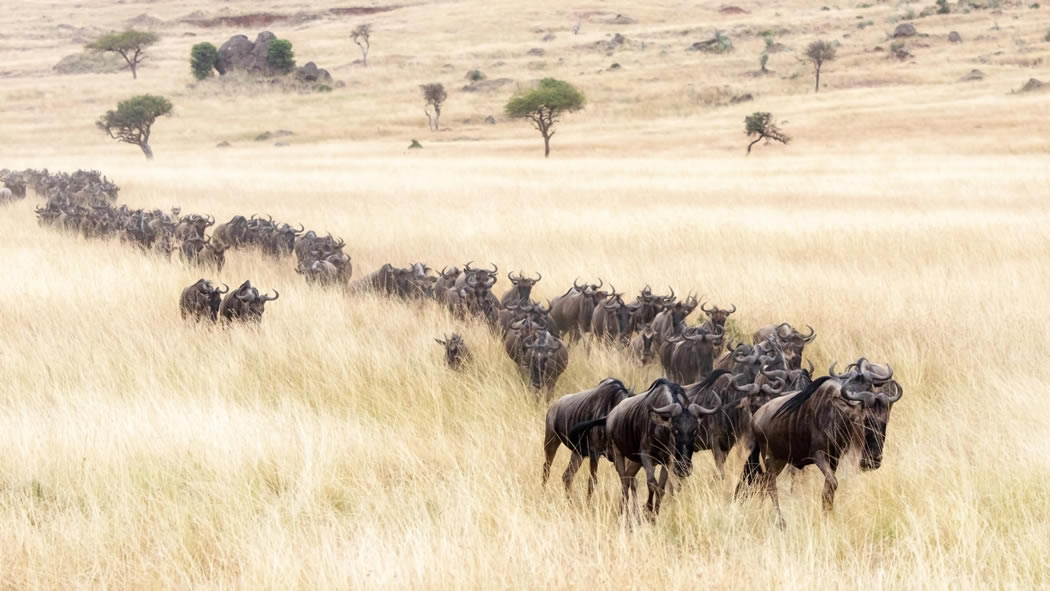
The Maasai Mara is one of the world’s most famous safari locations and a popular choice for visitors looking to catch a glimpse of its majestic animals, including the mighty lion, elephant, leopard, and the epic Great Wildebeest Migration. With images of thousands of wildebeests crossing the Mara River, it has become a bucket-list destination for animal lovers.
Nevertheless, many travelers wonder whether visiting the Maasai Mara is worthwhile after the migration herds have left.
The answer is yes! Even though the Great Migration is one of the main attractions in the Maasai Mara, there are still several good options to see the wildlife all year round. The resident predators remain active, elephants continue their movements through the local ecosystem, and every season brings a new set of landscape changes.
Visiting the Mara at times other than peak migration season can also provide a unique opportunity to witness different scenery, observe certain animals, and enjoy a relaxing safari experience in some parts of the reserve.
This guide explains the processes in Maasai Mara after migration, which animals can still be spotted, how seasonal conditions may impact your trip, and which period you should choose to visit the reserve if you wish to see it outside its most famous event.
Understanding the Great Wildebeest Migration
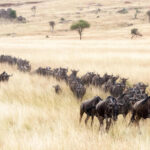
The Great Migration of Wildebeests takes place every year; wildebeests migrate, along with zebras and other herbivorous animals, through the ecosystems of Tanzania and Kenya, known as the Serengeti-Mara.
The timing of migration is determined by the availability of fresh grass and rainfall. Therefore, the herd’s location may change every year as well.
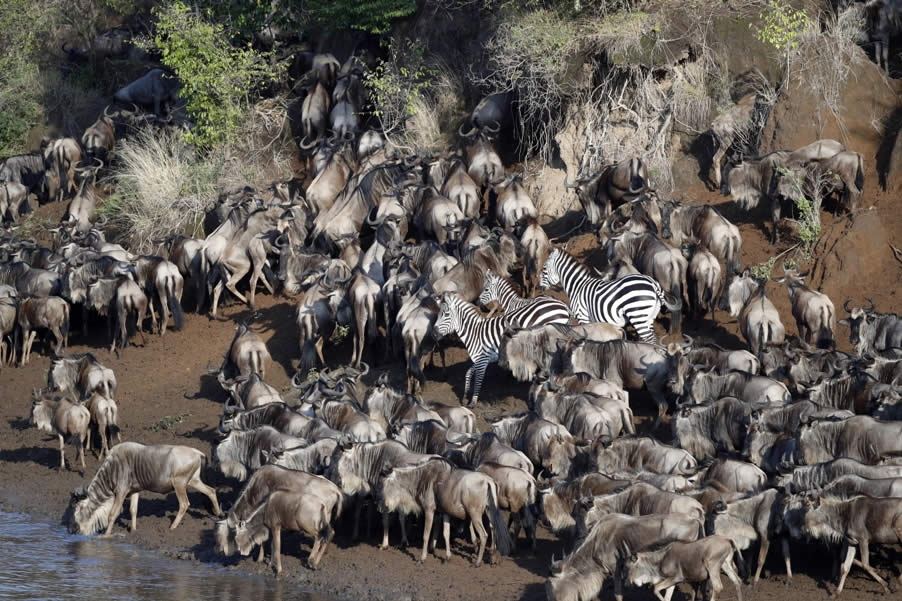
The migration process itself is not one single event and includes a number of cycles, taking the herds through different ecosystems.
In certain months, the herds are present in the Serengeti of Tanzania, while at other times, they migrate to Kenya to the Maasai Mara ecosystem.
In July-October, the migration can usually be seen in the Maasai Mara, but its timing is flexible. While river crossing is one of the main reasons to participate in the tour, it cannot be guaranteed in every case.
What Happens After the Migration Herds Leave?
When large groups of wildebeest and zebras migrate towards Tanzania, the Maasai Mara is still in existence.
The various forms of wildlife still roam the grasslands, woodlands, and rivers.
Lions continue to be kings of their land, leopards are wandering in thick foliage, and cheetahs are hunting in the open plains.
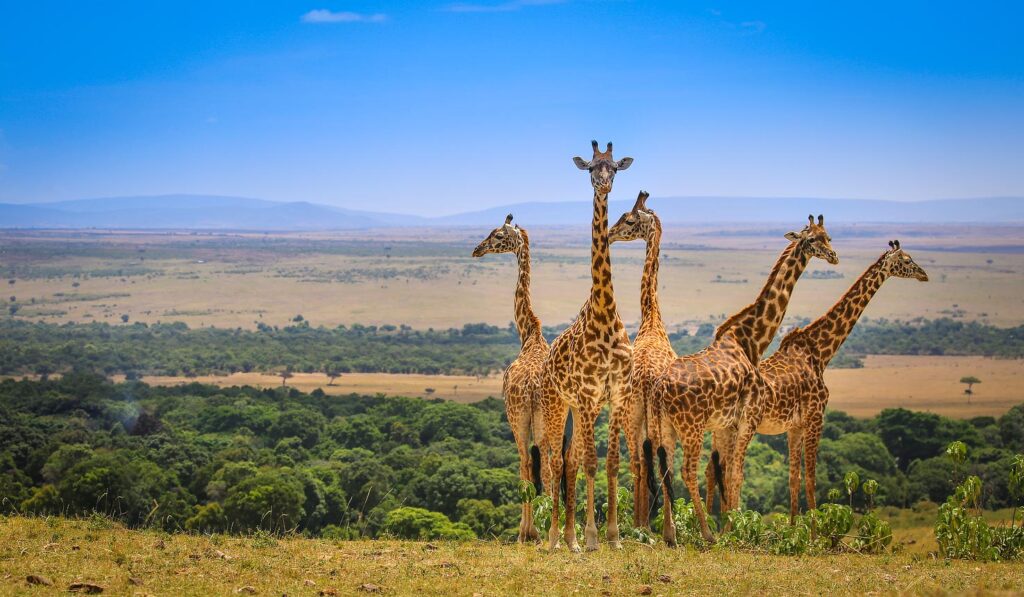
The elephants still go through their feeding rituals, and the giraffes, buffalo, antelope, and other herbivores still roam the land.
The lack of migrating herds creates a different feeling towards safari but does not affect the wildlife watching.
The advantage of visiting the area during the absence of migrations is that it allows the guests to focus on the animals that customarily inhabit the Mara rather than on observing the river crossings and herds of migrating animals.
Resident Wildlife: The Mara’s Year-Round Attraction
Lions
The Maasai Mara is renowned for its lions. These fierce carnivores travel in groups and can maintain their territory, which is made up of different habitats, including grassland, woodland, and some areas close to water bodies.

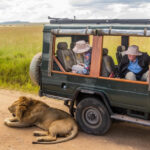
When you’re on a game drive, you may find lions lounging under the shade of a tree, or perhaps interacting with fellow pride members, or looking after their cubs, or simply coming to life as the temperature cools off.
If migrating herds are absent, the hardy predators continue to hunt other available wildlife.
In general, sightings of lions cannot be guaranteed, but the Mara is a dream-come-true destination for anyone wishing to see these magnificent creatures.
Leopards
While on a safari, searching for leopards can lead to an exciting adventure due to their elusive nature. However, it can often prove difficult to witness one of these cats since they usually prefer taking refuge in the trees, rocky terrain, or thick shrubs. To spot one, you will need patience and a dependable safari guide.
When lucky enough, you may come across a leopard relaxing on a branch, on its way through the grass, or with its prey in tow.
Since spotting leopards can be a challenge, going on several safari drives will give you greater chances of coming across one of them in the Maasai Mara game reserve.
Cheetahs
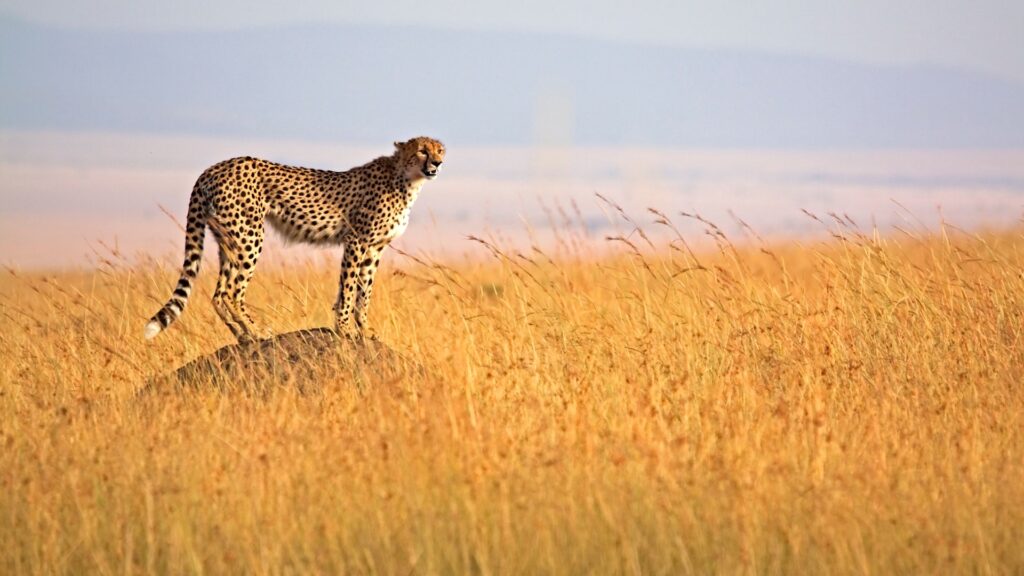
The wide expanse of the Maasai Mara offers an ideal home for the cheetahs.
This is where people can see the cats lounging in the plains, looking for food, playing around, or getting ready for hunting.
The plains are more suitable for photography sessions, especially at sunrise and sunset.
While the availability of wild animals may affect their movements, the cheetahs still remain a part of the ecosystem long after their migration.
Elephants and Others That Eat Plant Material
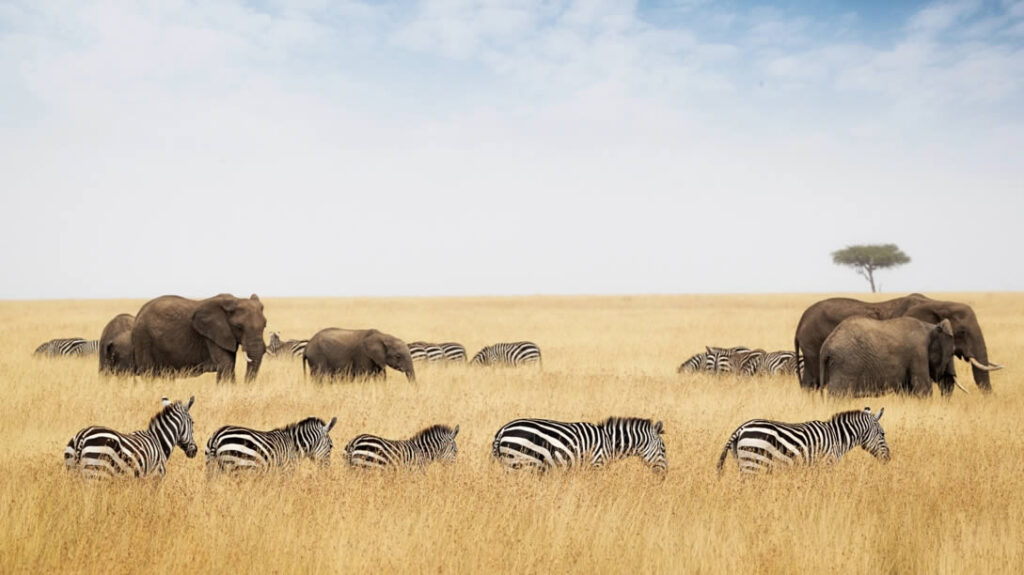
Among the important animals that inhabit the Mara are elephants. They travel over the grasslands and through the woods to graze and forage on plants, and stop at water holes to drink.
Similar diversity is provided by other herbivorous mammals such as giraffes, buffaloes, topis, impalas, gazelles and warthogs.
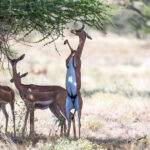
Different types of wildlife allow visitors to see a variety of animal activities, like giraffes eating from acacia trees or buffaloes moving around in herds.
Therefore, wildlife watching in the Mara does not consist only of seeing the migrating masses of wildebeests.
How the Landscapes Change Throughout the Year
The transformation of landscapes during various times of the year in the Maasai Mara region has distinct features. Certain places can have a new look after getting drenched by rain and then staying dry for long periods.
The Golden Dry Season
Compared to wet seasons, the nature of the fields during dry times changes from green to brown, drying up the surrounding vegetation.
If we focus on the shorter grass, this makes it easy to notice the existence of animals. During dry seasons, many animals gather around water sources, making their discovery easier.
Photography lovers appreciate the golden grass, the light of warm sun rays, and the acacia trees growing everywhere, making every safari a classic one.
The Green Season
The rainfall makes some places greener, creating many fresh plants on the plains and offering great opportunities for taking pictures.
However, longer and denser grass creates difficulties in searching for animals in game reserves or national parks.
The Best Months to Visit Beyond Migration Season
The optimal time to visit is influenced by your preferences, wallet, and the type of scenery you wish to see.
January and February: Wildlife Viewing and Photography
The months of January and February can be good for safaris, although the weather varies depending on the year.
In some areas, the weather can be relatively dry, facilitating driving and wildlife spotting.
The resident predators are the main attraction, and the scenery may range from golden grasslands to greener views.
If you are interested in wildlife viewing rather than migration, then these two months are the best times to visit.
March to May: Green Landscapes and Rainy Conditions
The period from March to May generally marks the rainy season in nearly all of Kenya, although the amount of rain varies from one year to another.
During this period, the Mara is usually verdant, with clouds forming over the ecosystem.
Thus, these months might attract people willing to see green scenery, do birdwatching, or take pictures.
On the other hand, rain can make some roads muddy and render certain areas inaccessible. Since it is essential to choose a reputable operator who understands seasonal conditions, it makes sense to allow flexibility for the itinerary.
June: A Transition Month
June is an exciting month to arrive prior to the busiest migration time.
Certain places might be drier, although the animals in residence continue to attract many tourists.
Wild animal groups might start entering the broader ecosystem of the Mara, depending on circumstances, so it is not reasonable to think that there are no migrating animals in the park.
The month might be good for visitors willing to see the wildlife as well as different seasonal changes.
November: Seasonal Changes
November may cause short rains in some areas of the Mara ecosystem, which means the return of rain may lead to the growth of new grass in the plains.
Wildlife can still be spotted, and the change of scenery can provide good chances for photographers.
Conditions change yearly, so tourists should be flexible when it comes to their travel plans.
December: Safari and Festive Travel
Those looking for a combination of safari and vacation will find December appealing.
The condition of the Mara will depend on the recent rainfall, which may make certain places more attractive.
However, prices may differ from year to year depending on the festivity schedule, so it is advisable to book accommodation in advance.
Is the Maasai Mara Less Crowded After Migration Season?
Going to the Maasai Mara outside the peak migration season gives you a different experience.
During the peak migration period, thousands of visitors flock to admire wildlife in spectacular events such as river crossings.
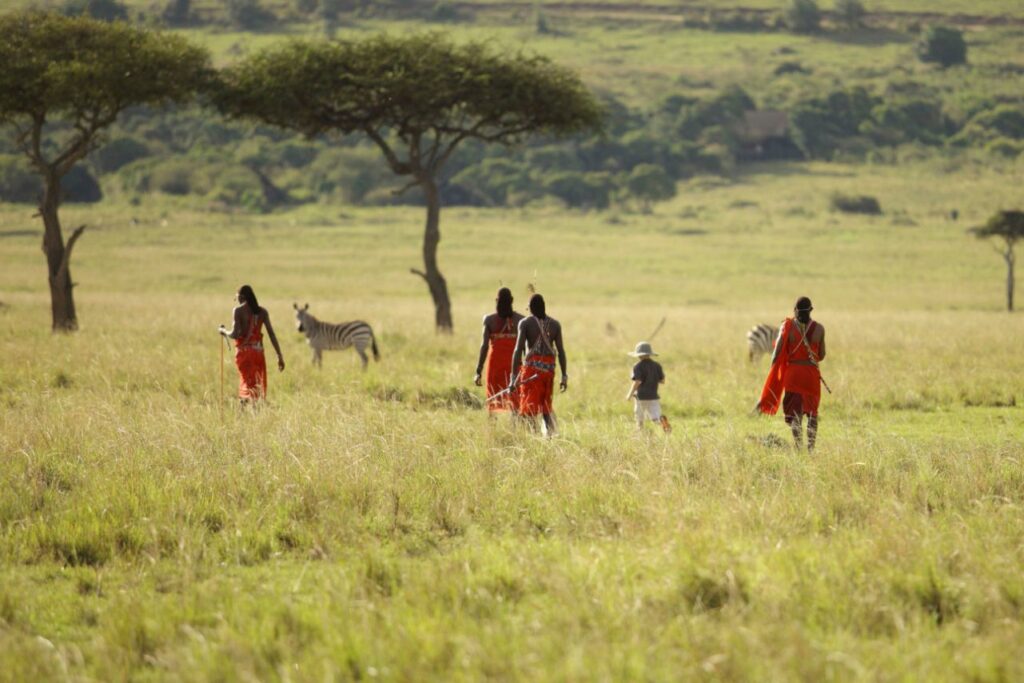
However, at certain camps and areas, you may find yourself alone, with fewer visitors around you.
However, this doesn’t mean that you can expect the entire Maasai Mara to be deserted.
In fact, countless visitors continue to come to the reserve throughout the year in search of popular predators like lions and leopards.
If you want to spend your vacation in a crowd-free environment, make sure to consider your accommodation’s location and think about possible conservancies.
Can You Save Money by Visiting After the Migration?
Traveling when the peak season is over can give you a chance to get cheaper accommodation and other offers, but that doesn’t mean you will save money.
The total cost depends on the travel dates, accommodation standard, transport method, fees to be paid, and whether you are doing a private or a group safari.
Entry fees apply their own rules and schedules, so it’s not guaranteed that the fees will be lower just because the migration has ended.
In order to control your costs, make sure you compare the prices of lodges and accommodation, prefer to use some low-cost transportation methods whenever possible, and keep in mind what meals and activities are included.
A trip to the Mara for 2 or 3 nights may give you more value for your money than visiting several places within a few days.
Final Thoughts
Without a doubt. Maasai Mara has much more to offer than just wildebeest on migration.
The resident big cats with their plentiful offspring, elephants, giraffes, buffaloes, rich birdlife, and ever-changing landscape all add to the attractions that make the Maasai Mara a worthwhile destination.
But travelers do not have to come to the Maasai Mara only during the migration time. There are many more opportunities to explore the area without any crowds. It is only necessary to consider the purpose of your trip rather than think that the migration is the only reason to visit.
If seeing the migration of the animals is your number one goal, you should consider the time of your visit and choose a suitable place to observe the big crossing. Should you want to take pictures of elephants, observe big cats in the wild, or just plunge into the African atmosphere, visit the Maasai Mara.