
Kenya is well known for its wildlife safaris, with places like Maasai Mara, Amboseli, and Tsavo attracting tourists from around the world. Beyond these attractions, the country offers other locations that provide great alternatives, with local species and conservation activities.
The same could be said about Samburu National Park, Meru National Park, and some other destinations. Each location has its own uniqueness, starting from the rare northern kind of animals in Samburu to scenic riverine forests in Meru and unique conservation areas in Laikipia.
If you are the one who wishes to experience something other than what is offered by safari, all the mentioned attractions can be a good chance to see unknown types of animals, landscapes, and conservation ideas.
Why Explore Beyond Kenya’s Famous Safari Destinations?
If we think about Kenya, it is impossible not to remember such world-renowned attractions as Maasai Mara, known for its leopards, lions, and cheetahs, or the Great Wildebeest Migration. Furthermore, Amboseli has captured visitors’ hearts due to its massive elephant population and the views of the magnificent Kilimanjaro. Tsavo is beautiful thanks to its thrilling and diverse landscapes.
Nonetheless, the wildlife of Kenya is actually much more diverse than that!
There is a lot worth exploring in the unknown safari parts of the country, such as the following:
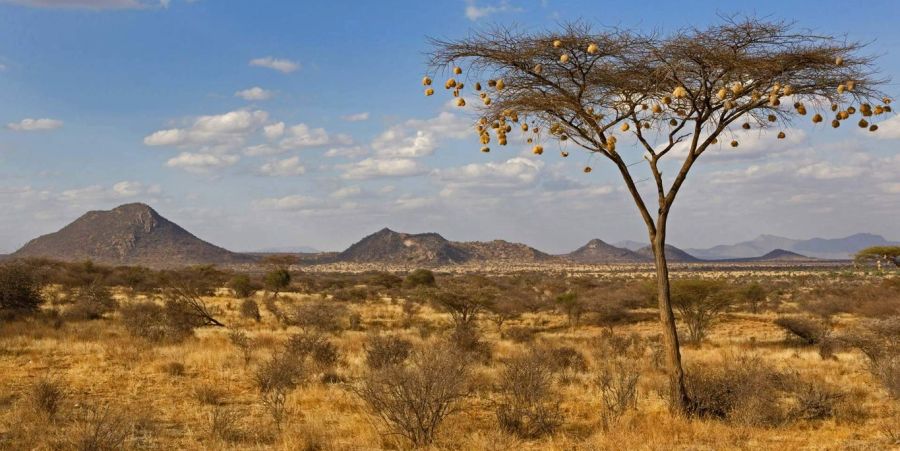
Distinctive wildlife: The wild animals that are specific to northern Kenya, including Grevy’s zebra, gerenuk, and reticulated giraffe, can be found there.
Different landscapes: You will be able to enjoy dry river valleys, rocky hills, woods, plains, and different river (green) forests.
Conservation experiences: You will learn how wildlife is preserved and what habitat management includes.
Alternative safari experiences: great activities differ according to the institutions.
If you have explored the famous reserves of Kenya and want to widen your travel map, then Samburu, Meru, and Laikipia are the right places to go.
1. Samburu National Reserve: Discover Kenya’s Special Five
The region is characterized by rocky hills, dry savanna grasslands, thorny scrub, and the Ewaso Ng’iro River.
The river makes this dry area an important habitat for wildlife.
Samburu is mainly known for the Special Five – a term used for the five species found in northern Kenya only.
Meet the Special Five:
Grevy’s zebra
Grevy’s zebras are the biggest of all zebra species.
They are easy to identify because of their few and widely spaced stripes, large ears, and white underbelly. The species is endangered; therefore, the remaining populations can be found only in northern Kenya.
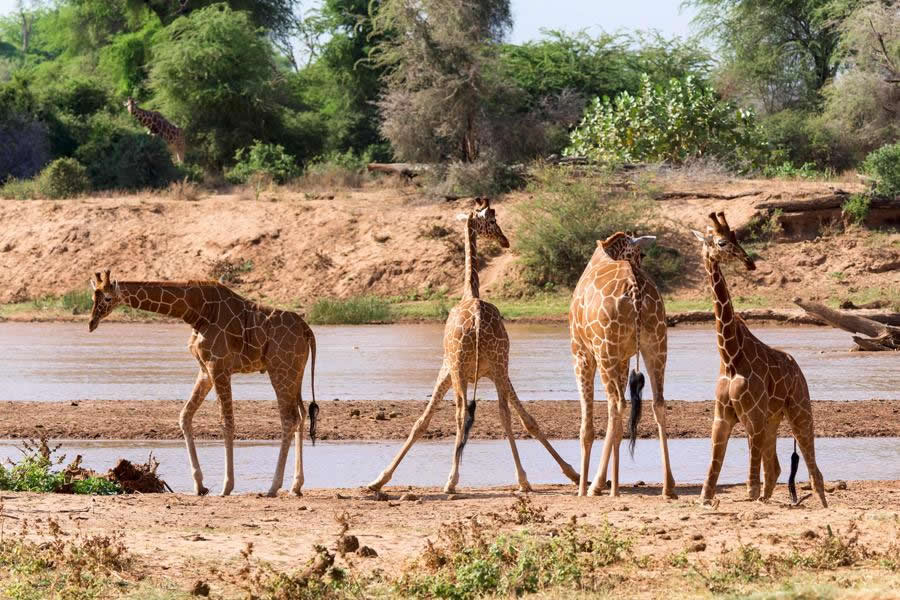
Reticulated giraffe
The reticulated giraffe is known for its large coat patterns.
These beautiful animals are mostly seen feeding on acacia trees.
Beisa Oryx
This species of antelope has developed physical traits that are appropriate for dry conditions, including straight horns and unique facial markings. This ability to live in dry conditions makes this species interesting to watch.
Somali Ostrich
Somali ostrich is recognizable by its blue-grey neck and legs, especially in males. It is found in the northern and eastern parts of Kenya.
Gerenuk
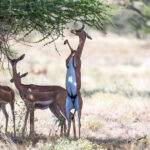
This antelope has a slender build and long neck and legs. It notably uses its back legs for feeding purposes by reaching out for leaves from shrubs and small trees when eating.
Apart from the Special Five, Samburu hosts elephants, lions, leopards, cheetahs, crocodiles, and many bird species.
Elephant Encounters Along the River
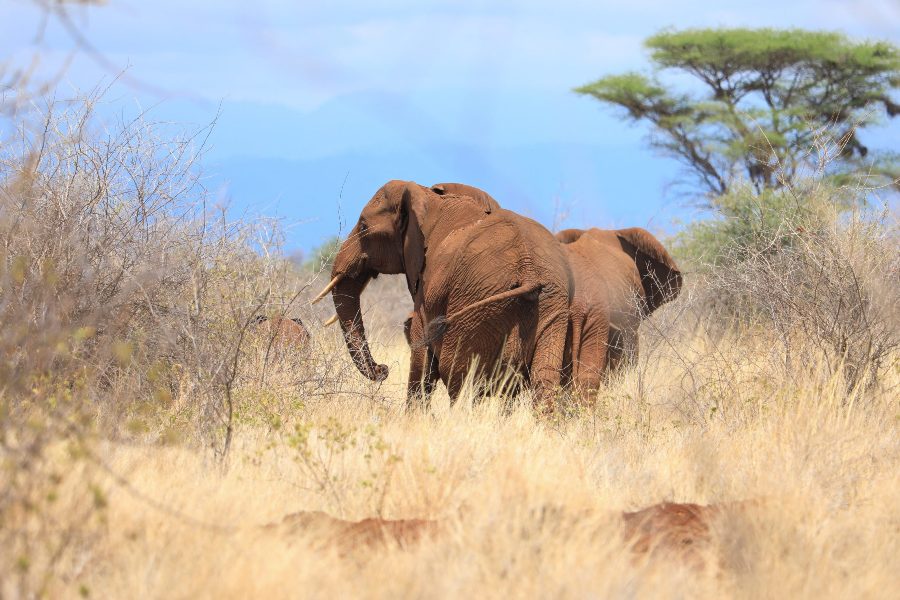
Ewaso Ng’iro River forms one of the key features of the wildlife habitat in Samburu, and elephants visit the river on a regular basis to drink and bathe as well as to feed on the surrounding vegetation. The game drives run on the river afford plenty of opportunities to see the elephants’ families as well as other animals and birds at the water’s edge.
Best for: Travellers interested in unique northern wildlife experiences, elephants, beautiful photography, and landscapes that differ from Kenya’s southern savannahs.
2. Meru National Park: Rivers, Forests, and Untamed Landscapes
Meru National Park lies on the eastern side of Mount Kenya and is an area with a diverse safari environment with various features such as grasslands, woodland, riverine forests, and streams.
In contrast to Maasai Mara, Meru has not had as much popularity on the international stage, and this allows tourists to discover another part of Kenya.
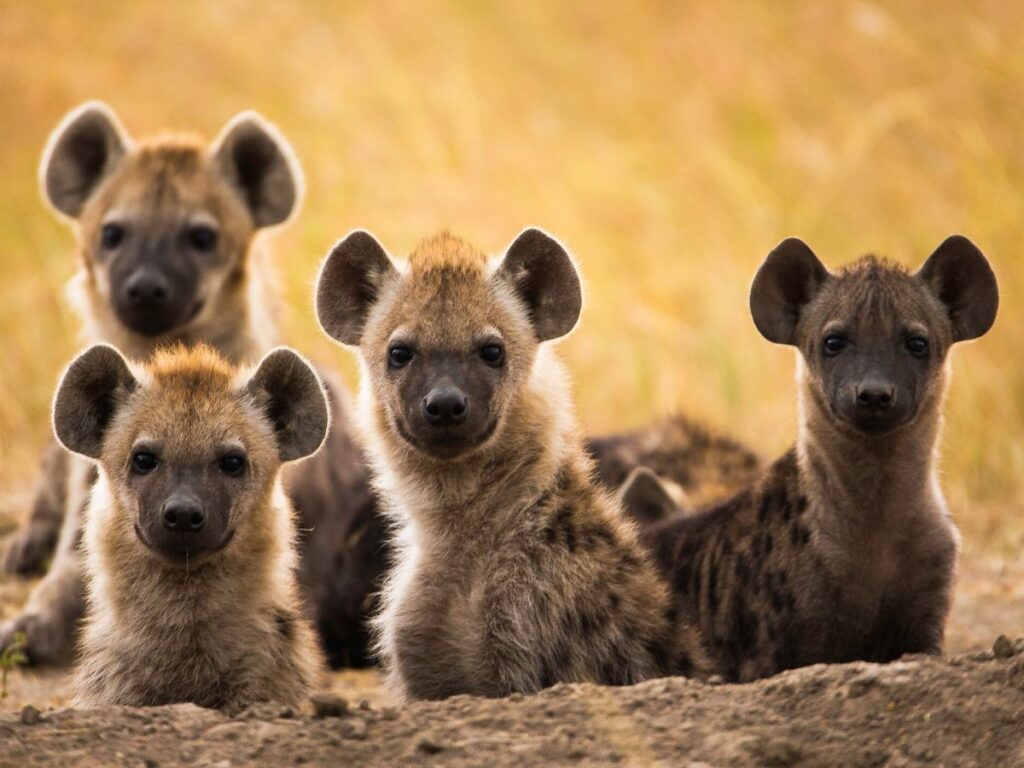
In terms of wildlife, Meru Park has elephants, lions, leopards, cheetahs, buffaloes, giraffes, zebras, and some species of antelopes.
The different types of habitats mean that tourists may observe wildlife in different ways in each of the areas that they visit. For example, at the riverbanks, animals will come to drink water from the river, while in the grasslands their chances of seeing them will depend on whether or not the animals are grazing there.
The park is also a suitable place for those who love watching birds since it has woods, rivers, and fields. All these make it possible to find various types of birds such as kingfishers, herons, eagles, and hornbills.
As wildlife observation is influenced by many factors such as seasonality, it is advisable for visitors to stay long enough at this park to witness different things.
The Legacy of Elsa the Lioness
Meru was one of the first places in wildlife conservation due to the introduction of Elsa the lioness.
The story of Elsa has attracted the attention of people worldwide, especially due to the book and the film Born Free.
Her life is an example of wildlife conservation and the difficulties of returning wild animals to their natural environment.
The rich history of the place is interesting for many conservationists, but the park is also viewed as a good habitat for animals and a place to travel and enjoy nature.
What Makes Meru Special?
Meru’s rivers and diverse vegetation bring about unique geographical conditions compared to the expansive savannahs of the Maasai Mara.
Guides will take you through forested areas, along rivers, and across savannah, which makes game viewing an even more interesting encounter. The seasonal changes also play an important role as they affect the availability of vegetation and hence, water.
For photographers, the diversity of the landscape under different light conditions provides good opportunities to capture wildlife of Kenya in its wilderness.
Best for: nature lovers, ornithologists, and those who want to experience something original away from popular tours.
3. Laikipia: Wildlife Conservation Beyond National Parks
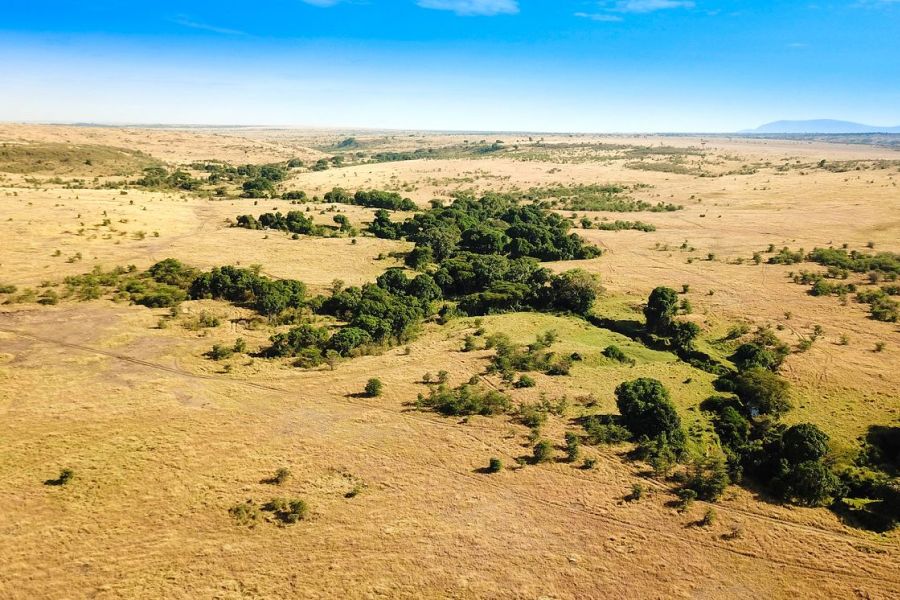
Laikipia is a region in central Kenya rather than a singular national park. It is famous for its different lands, wildlife conservancies, and community conservation efforts.
The area has grasslands, woodlands, rocky outcrops and river valleys. These habitats facilitate the movement of wildlife across areas that exceed the limits of the classic national parks.
Laikipia is particularly useful in understanding the link between conservation and the local populations as well as landowners.
Wildlife in Laikipia
The area is home to elephants, lions, leopards, cheetahs, buffaloes, and various other large animals. It is also significant for endangered species.
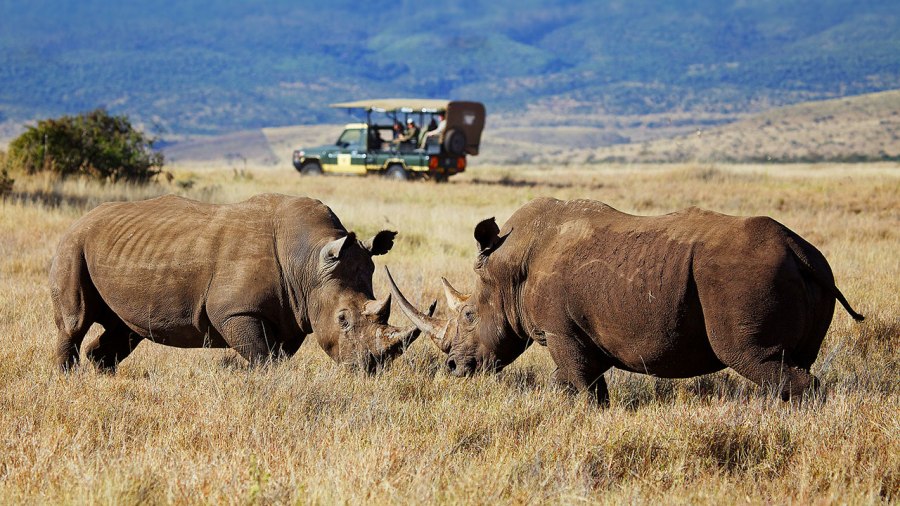
Black rhinos
Some conservancies in Laikipia protect large populations of black rhinos. Conservation activities include monitoring, managing habitat, and fighting poaching.
Seeing a rhino is a special experience, but its probability depends on the conservancy and its wildlife-viewing systems.
Grevy’s zebras
Laikipia plays a valuable role in Grevy’s zebra conservation in Kenya, as protecting certain habitats is vital for the survival of this endangered, iconic species.
Reticulated Giraffes
This breed of giraffe is found in central and northern Kenya. Their coat is distinguished by unique patterns.
African Wild Dogs
African wild dogs live in various parts of the Laikipia ecosystem. These predators are social and form packs. They need large habitats to survive.
These animals may be hard to find but are a good indicator of the ecosystem’s condition.
What Is a Wildlife Conservancy?
A conservancy is an area designed to protect wildlife and their habitats. The conservancy may include private landowners, communities, conservation agencies, or companies working in the tourism sector.
In Laikipia, there are different types of conservancies. In some cases, the conservancy is on a ranch, while in other cases, the community owns and manages the area.
In any of these, tourism should be used as a source of revenue.
Conservation Experiences for Visitors
Conservation possibilities are dependent on the conservancy, and visitors can often learn about wildlife monitoring, rhino conservation, habitat management, and more for the community.
Some locations may even have activities unavailable in many national parks, such as guided walks, night safaris, horseback rides, and more. Such activities are subject to various rules and regulations.
Before booking, check what activities are available and how tourism can contribute to conservation and community work.
Best for: Those who are interested in conservation, photographers, and just anyone who loves safaris and endangered species.
Samburu vs Meru vs Laikipia: Which Should You Visit?
Every place has a distinctive safari experience that it offers.
Best suited :
Samburu
Big Five and elephants
Open plains, rocky hills, and river beds
Special Northern animals
Meru
Various creatures and conservation efforts
River banks, bush, and prairies
Nature lovers and bird watchers
Laikipia
Game parks and endangered species
Pasture lands, bush, and farms
Conservation activities
Look at Samburu if you want to see species from the north that are quite new to most tourists on safari.
Meru may suit people who want to see diverse habitats and visit a national park with an unusual conservation history.
If conservation activities and experiences are of interest that go beyond conventional safari experiences, Laikipia is your best option.
People who have time to spare may visit two or more places and create the world’s most exciting safari experience by travelling to a number of places.
Responsible Tourism in Kenya’s Lesser-Known Regions
Responsible tourism helps to protect the natural environment as well as the people who depend on it for their livelihoods.
Choose a tour operator that complies with wildlife regulations as well as respects the interests of the local people in the area.
While on game drives, remain at a safe distance from animals, do not shout, and follow the instructions of your guide. Avoid asking drivers to chase animals for photos.
When visiting local communities, ask them if you can take photos and ensure compliance with their cultural practices.
Do not litter, obey the rules of the park, and use only those operators that commit to environmental sustainability.
Final Thoughts
Renowned safari locations in Kenya are well-deserved, as their fame is aligned with the facts. Visitors get acquainted with the Special Five species and majestic kingdom of Northern Kenya in Samburu. Meru greets us with spectacular biodiversity, important discoveries, and its unique conservation past. Laikipia serves as a perfect place to learn about conservancy training and endangered species preservation.
Visiting those areas may enable visitors to meet unusual animals and to see Kenya from a different viewpoint when exploring its landscapes.
Not always is the best safari the one containing the greatest number of spots. A good safari is the one that gives you the opportunity to enjoy watching animals, to explore places leisurely, and to learn about the environment.
Your next safari in Kenya should suggest that you look beyond the well-known routes where you may have fantastic wildlife experiences.