Planning a safari in Kenya can be thrilling, but when you start can affect your trip’s quality, price, and flexibility.
Although Kenya is a safari destination year-round, different months offer different experiences in terms of the animals you will see, the weather, and how crowded the parks will be. If you wish to visit Kenya in 2027, you can start planning your safari right away.
In places like the Maasai Mara, where the Great Migration of wildebeest takes place, accommodation can be limited very far in advance. You have more options to choose from if you plan your safari well in advance.
Does that mean all safaris have to be planned well in advance?
Not necessarily.
You can plan a short safari during the less busy season just a few months earlier, while in the case of a long trip during a busy season, planning in advance is essential.
In this guide, we will explore the safari seasons in Kenya for 2027, when you should start planning your trip, and how far in advance you should make your bookings.
Understanding Kenya’s Safari Seasons in 2027
It is useful to know the different safari seasons before you make a decision on when to book.
Kenya does not usually follow the four-season approach like many countries in Europe and North America. Instead, safari planning is done based on the dry and wet season, animal migration timelines, and tourist needs.
1. January-February: Dry Season, Very Good for Safaris
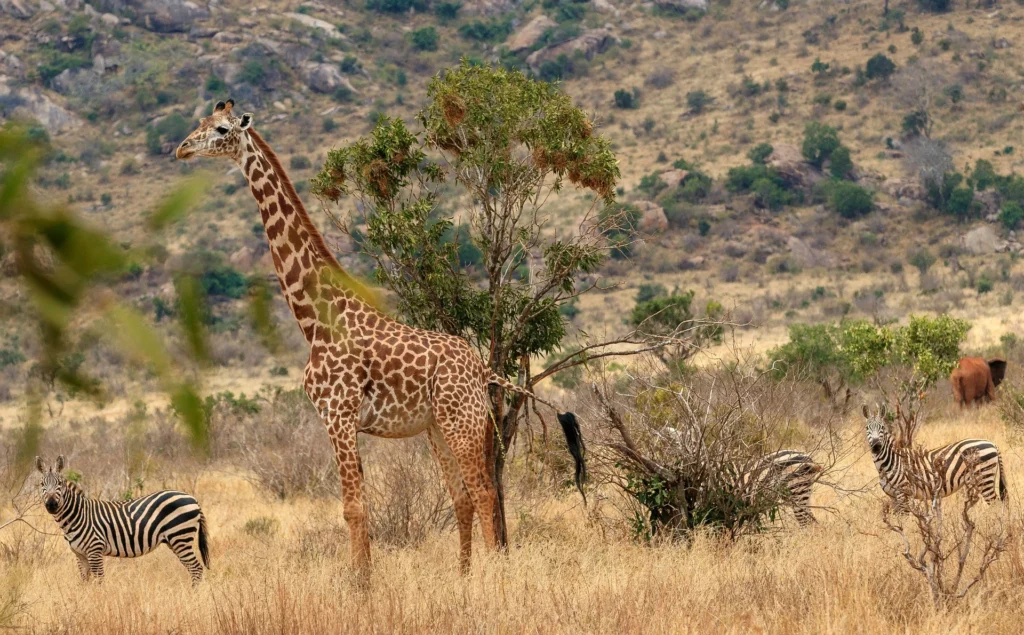
January and February are believed to be part of Kenya’s dry season.
With the growth of vegetation being relatively low, there will be more opportunities to spot wildlife in most places.
These months provide a great opportunity for people who want to see wildlife without necessarily travelling in peak season.
Conditions vary according to different locations, and your safari operator will help you decide which national parks or conservancies suit your plans.
2. March to May: Long Rains and Lush Scenery
March to May is a time of Kenya’s long rains.
Rains do not mean you cannot go on safari. It can even create spectacular views with very lush greenery everywhere.
The period is ideal for anyone who enjoys photography, landscape views, birdwatching, or a quiet safari.
It is possible that some roads can become impassable in the rain, or some accommodations have to close down temporarily at this time.
If you decide to go on safari during this time, please check what places and accommodations are available for your travel dates.
3. June to October: Peak Safari Period
June to October is indeed the most popular time for Kenya safaris, when weather conditions are often suitable for wildlife watching. This period offers especially great significance for the Maasai Mara during the Great Migration season.
The migration is a process that lasts longer than one day. Understanding when exactly the herds are moving depends on various natural factors, such as precipitation and growing conditions.
Nevertheless, anyone who wants to see the migration should think about planning such travel.
This is highly important if you wish to stay in a particular safari camp, lodge, or in a certain location.
4. November to December: Short Rains and Festive Travel
The period from November to December is often associated with rather short precipitation periods.
So, despite the fact that this month brings rains, it does not mean that rain falls every day.
Safari conditions can vary, and the landscapes becoming green can attract tourists.
So, When Should You Start Planning Your 2027 Safari?
There is no universal approach for travellers.
The proper schedule for planning should take into consideration:
- Travel dates
- Number of people who are travelling
- Safaris destination
- Traveling season
- Accommodation requirements
- Duration of safari
- Flights within the country
- Budget
- Organization of the safari (group or private)
- Combining Kenya with another country
As a rule, the best period for planning a major trip to Kenya is between six and twelve months prior to travelling, while shorter trips during less touristic times can be done in three to six months before travelling.
If you know your travel dates for the year 2027 in advance, it will be worthwhile to start the process early, despite the fact that it is too early for finalising all the bookings.
Planning 12 Months Ahead
To get the most flexibility, it is best to plan your big safari trip a year in advance.
This is especially valuable if you will be:
- Going during the Great Migration
- Travelling around Christmas or New Year
- Travelling with many other people
- Taking a family trip during school holidays
- Going on honeymoon
- Having a particular place to stay in mind
- Going to many Eastern African countries as part of your journey
You will now be able to start doing research and figuring out where you want to go.
Instead of saying that you want to go on safari, you can now say that it can be in the Maasai Mara, Amboseli, Samburu, Ol Pejeta, Tsavo, or somewhere else.
Planning 9–12 Months Ahead
This is a great opportunity for people travelling on definite dates and with several requirements to fulfil.
You may start by narrowing down:
- Departure date
- Duration of the stay
- Location of the safari
- Accommodation
- Transport
- Local flights
- Activities
- Budget
- Private vs. group safari
This would be especially helpful in case you are travelling during peak seasons.
If you are on vacation with your family or a bigger group of friends, planning in advance by 9–12 months would help streamline the process significantly.
Planning 6–9 Months Ahead
Planning for a safari trip in Kenya can be done very comfortably from six to nine months before the actual trip. By this time, you should have made your decision regarding the itinerary to be followed, which may look like that of:
Nairobi → Amboseli → Lake Nakuru → Maasai Mara
or
Nairobi → Samburu → Ol Pejeta → Maasai Mara
Planning at this stage makes it easier for the safari operator to identify accommodation options and arrange a logical route for your safari.
It also gives you some time to alter your initial plans in case your preferred accommodation is full.
Planning 3–6 Months Ahead
Three to six months in advance can be a great deal for safari planners.
This applies especially when:
- Your dates are flexible,
- You are traveling at non-peak times,
- You are alright with different accommodation
- You are traveling solo or in small groups,
- You are planning a shorter safari.
However, if you are traveling within a time period of high demand, waiting until now may limit your options.
You would still find some good options, but your chosen camp or room category may not be available for you anymore.
Planning Less Than 3 Months Ahead
Last-minute safaris can become a reality.
Provided that you are able to adjust your travel plans depending on availability, you may be lucky enough to find an appropriate safari even a couple of days before your departure.
However, flexibility becomes a must.
This means that your options for accommodation will be limited. This may affect the types of hotels you have chosen and the duration of your stay.
Last-minute planning may suit those travelers who are primarily interested in safari rather than accommodation in a particular hotel.
What is very important is that you properly communicate your priorities to your safari operator.
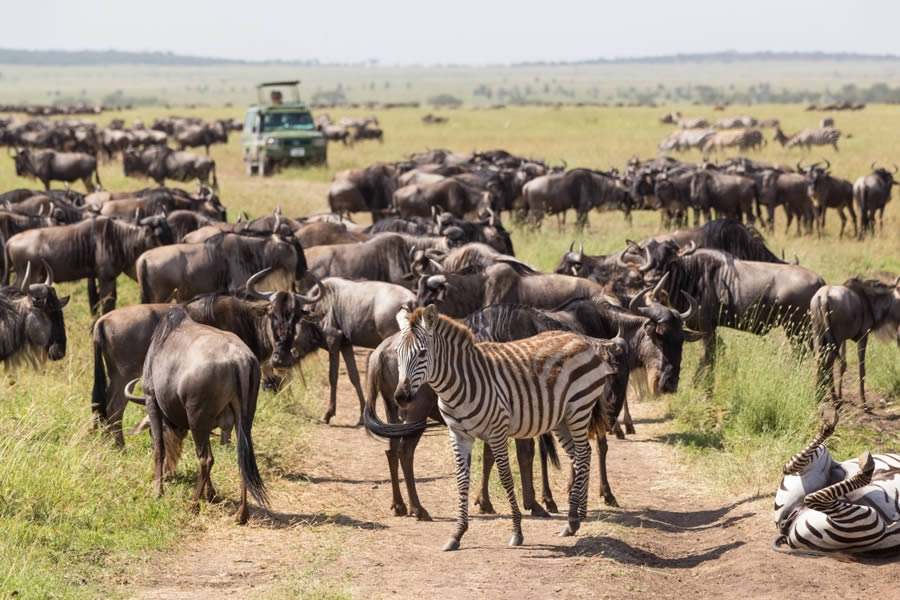
Peak Season vs Low Season: When Should You Travel?
Choosing whether it is better to travel during peak periods or off-peak times is one of the key decisions.
Peak Season
Peak times usually feature high demand and sometimes cover the most popular safari periods.
Some advantages of booking during this time are:
- Excellent wildlife-viewing opportunities
- Exciting migration experiences
- Lots of tourists and safari actions
- High demand for lodging
The only downside is that popular lodges will often become booked up well in advance.
If there is a particular lodge that you want to stay at, it is vital to plan early.
Low Season or Green Season
Off-peak periods can offer a different type of safari experience.
Some of the advantages of travelling at this time are:
- Fewer tourists
- More lush scenery
- Great photo opportunities
- More accommodation options
- Lower fares
However, it is important to note that “low season” does not mean “bad safari season.”
Why Early Planning Gives You Better Accommodation Options
One of the main reasons for planning is that accommodation options need to be checked first.
In Kenya, there is an impressive variety of lodges and camps, both budget and mid-range.
However, this does not mean that the ones you prefer will be booked.
Just imagine that you want to book a lodge in Maasai Mara for a trip to Africa.
If you start searching a few weeks before your trip, you may find out that there is no chance of going to this place.
The earlier you start planning, the easier it is for your safari operator to offer you available accommodation options.
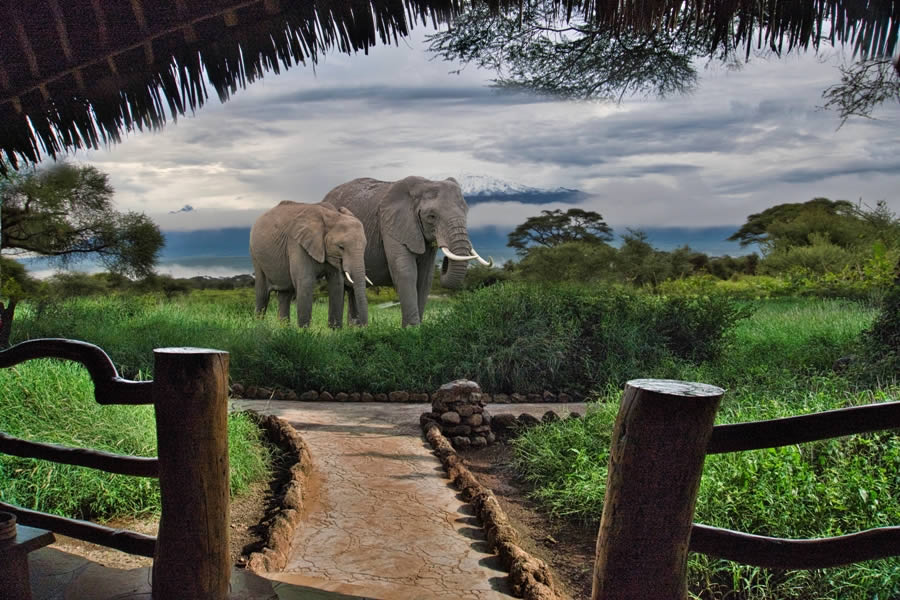
Common Mistakes First-Time Safari Planners Make
Planning has its benefits, but if the itinerary is poorly planned, it might lead to a disappointing safari experience.
Avoid common mistakes, which are as follows:
Mistake 1: Trying Too Many Parks
It is understandable why someone would want to include five or six parks in a seven-day safari.
However, this would require a lot of travel on your vacation.
Instead of enjoying your time with magnificent wildlife, you might be spending a lot of your time traveling.
Thus, it is better to choose a couple of parks that go hand in hand.
Mistake 2: Planning Only Around the Migration
The Great Wildebeest Migration in Kenya is undoubtedly a phenomenal natural phenomenon, but the country has a lot more to offer.
If you take part in the migration tour, don’t forget to include another destination such as Amboseli or Samburu National Parks.
Mistake 3: Choosing Accommodation Without Considering Location
The hotel might seem appealing on a website; however, in terms of location, one must consider it.
Inquire:
- Is it part of a national park?
- Is it situated in a private conservation site?
- Is it far from the primary areas where some animals can be observed?
- Is it near the entry point to the reserve?
- What kind of safari rides are on offer?
Positioning greatly affects your trip.
Mistake 4: Focusing Only on the Cheapest Price
Not always does the least expensive offer guarantee that someone has made a good deal.
Be sure to see the specifics of the offer.
Less expensive options may only differ in terms of lodging, means of transport, the type of meals provided, entrance to the park, and activities provided.
Do not rely on price alone while reviewing the proposals.
Mistake 5: Not Leaving Enough Time for the Safari
A hurried safari has nothing in common with a properly-paced one.
If traveling is possible, one should spend as many nights as possible at each site to witness safaris without having to hurry all the time.
Sometimes just one additional night can change the whole picture considerably.
Mistake 6: Assuming Wildlife Sightings Are Guaranteed
A reputable safari tour operator cannot promise that you’ll spot a certain creature on a certain date.
Animals are unpredictable.
If you’re lucky, you might get to see lots of game on your initial safari, or it may take you multiple outings to come across particular species.
Elements of surprise are what make your experience exciting.
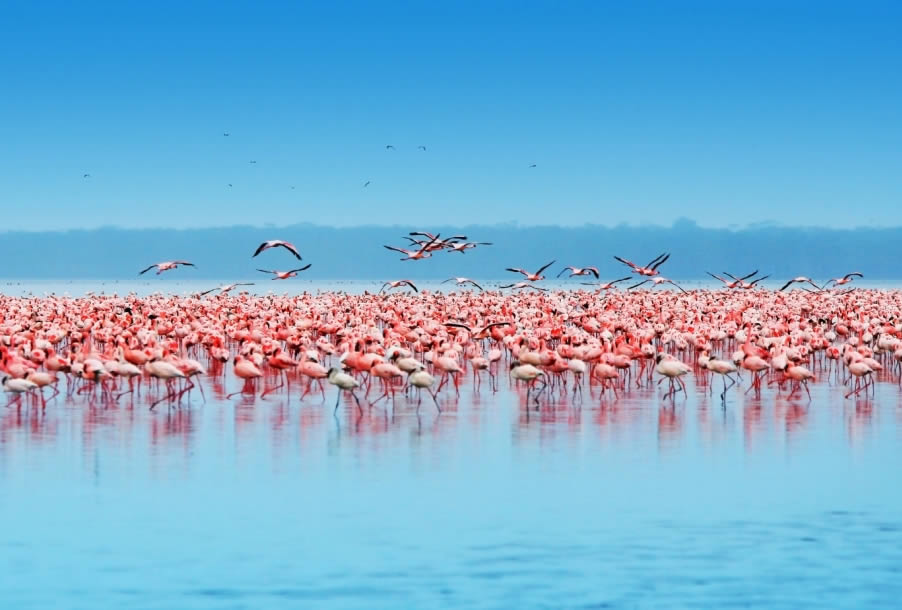
Final Thoughts
It is not compulsory to be stressed while planning a safari trip to Kenya in 2027.
The most important thing in selecting the proper time frame is to remember local seasonal features, preferred itinerary, and type of accommodation.
If you want to travel during the Great Migration, consider booking your trip about 6-12 months earlier. During less popular seasons, flexible travelers can plan a safari trip in 3-6 months.
By organizing everything in advance, you get more options to choose from, be it concerning accommodation or itinerary.
The most important thing in safari planning is to remember that this process is not just about reserving a car and a room. A proper itinerary involves many other aspects like travelling time, animal watching opportunities, and duration of the journey.
If visiting Kenya is part of your trip plans in 2027, it is high time to start preparing for it.