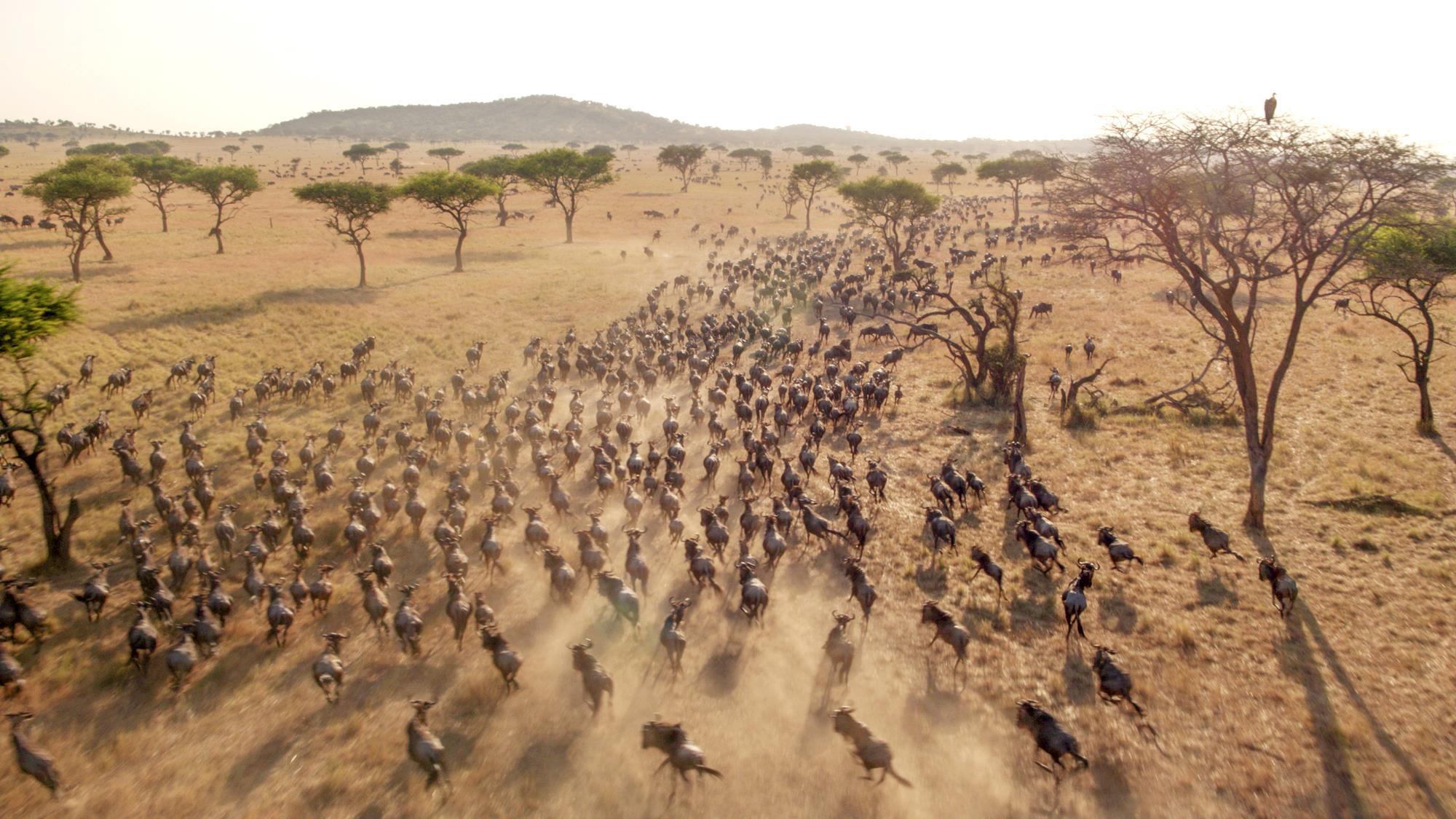
The Great Migration of Wildebeests is one of the world’s greatest wildlife spectacles. Each year, 1.5 million wildebeests, along with hundreds of thousands of zebras and gazelles, migrate between Tanzania’s Serengeti and Kenya’s Maasai Mara in search of grazing and water.
For many visitors to Kenya, the opportunity to see this spectacular natural event is a dream they have had for a long time, but there is a great deal of difference between a good safari and an unforgettable one if you plan properly before your first trip to the migration in Kenya.
This guide provides all the necessary information regarding the migration in Kenya, including choosing your travel dates, packing correctly, and selecting an appropriate place to stay while you are in Kenya to see the Great Migration.
1. Understanding the Great Wildebeest Migration
The Great Wildebeest Migration occurs over a long time frame of about one year; however, the migration occurs in a series of smaller migratory waves within that larger time frame.
The approximate times the herds cross the border into the Maasai Mara National Reserve in Kenya can be identified by the annual pattern of water availability, with the greatest number of migrations occurring during the months of July to October.
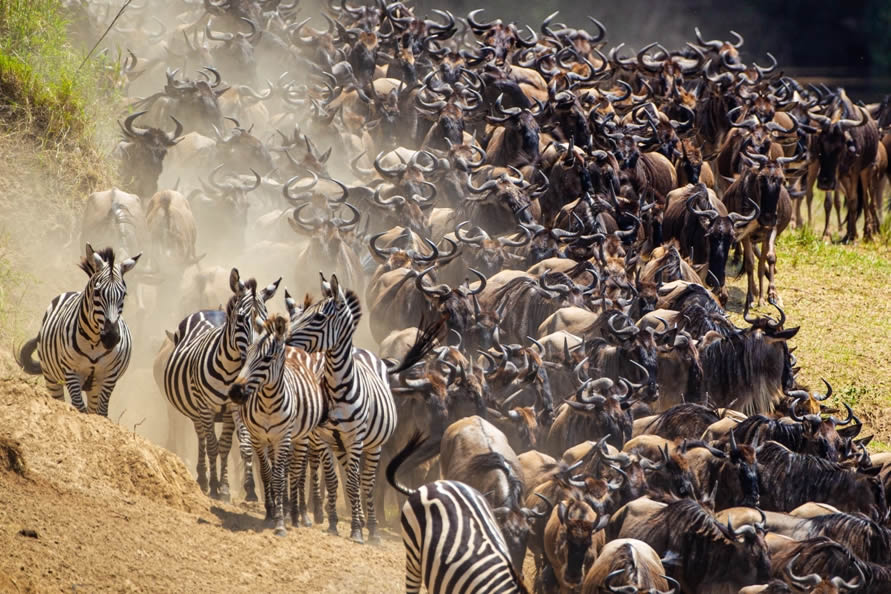
One of the most visually impressive sights during the migration occurs when the herds cross the Mara River. During these crossings, thousands of animals must navigate through rapids and swim across sections of the river that have many crocodiles and large predators waiting in nearby tall grass.
By understanding that the migration is happening regularly, you can create realistic expectations about when to plan your safari trip.
2. Know the Best Time to Visit
Timing is an essential component in planning when organizing a migration safari.
July/August
It’s during this time that the first big herds start to stagger their arrival into the Maasai Mara, as well as the first major river crossing occurring during this period.
August/September
These two months constitute the prime time for wildebeest viewing in the Mara. There will be large concentrations of wildebeest throughout the reserve, and river crossings will be much more prevalent during this period.
October
There are still masses of wildebeest remaining in the Mara, but some have already started their seasonal migration to southern Tanzania.
If witnessing a river crossing is your primary objective, August and September typically offer the highest likelihood.
3. Book Your Safari Early
The busiest time for travel in the Maasai Mara is during the migration season.
There is a high demand for safari camps, lodges, and flights, which frequently sell out months or more in advance of the migration season. In fact, some of the most in-demand properties located close to the Mara River may be fully booked one year in advance.
If you plan to book a safari, you should book your accommodation at least six to nine months prior to your travel dates in order to have the best selection of properties available and receive the best rates.
Booking early will also give you greater choices and flexibility in relation to your flight and safari package options.
4. Choose the Right Area of the Maasai Mara
All areas of the Maasai Mara do not have the same experiences. Different areas have different opportunities.
The reserve itself is extremely large, and some camps are closer to migration routes and river crossings than others.
When you book your safari, make sure to ask your safari operator:
- Which area of the Mara is the camp located in
- How close the camp is to migratory activity
- Whether the camp has access to river crossings on game drives
Where your accommodation is located will have an effect on your experience of migratory animals.
5. Understand That Nature is Unpredictable
The most common error made by new visitors to a park is believing that river crossings will occur as scheduled.
Animal migration is a spontaneous activity.
When arriving at the riverbank, you could wait several hours for wildebeest to cross; they may even just come close to the river and then reverse direction back into the field.
The timing of this migration is determined by:
- The amount of rain
- The amount of available forage
- How hungry the predators are
- How the animals feel
If you are patient enough, you will still have the opportunity to view the migration; however, you must be flexible.
6. Prepare for Early Morning Game Drives
The best wildlife sightings usually occur at the beginning of the day due to lower temperatures.
Most safari camps start game drives before daylight to take advantage of the cooler morning hours.
Examples of animals that may be seen on morning drives:
- Lions returning from hunts
- Cheetahs are becoming active
- Elephants feeding
- Beautiful sunrise landscapes
Even though early mornings can be hard to manage, they generally provide the greatest safari experiences.
7. Pack the Right Clothing
By packing correctly, you will increase your comfort level while on safari.
Things you should pack are:
- Clothing with neutral colors
- Long sleeve/short sleeve shirts.
- Long/short-legged pants or trousers.
- A fleece or warm jacket.
- Comfortable shoes for walking.
- A hat and some sunglasses.
- Insect repellent.
Mornings can be quite chilly, especially from July through August, so having layered clothing may be helpful as temperatures tend to get warmer as the day goes on.
Stay away from bright colors or clothing with camouflage patterns.
8. Bring a Good Camera and Binoculars
The annual migration brings with it innumerable opportunities for photography.
Animals migrating to new habitats can include:
- Enormous groups of animals traveling together across long distances
- Predatory behavior and interactions with prey
- Crossing rivers
- Beautiful exotic sunsets over Africa
A camera fitted with a zoom lens would be best suited for this purpose; however, you can also capture quality images using your smartphone.
Using binoculars will allow you to see wildlife from farther distances and allow you to pick up any small detail that you may not see with your own eyes.
9. Expect More Than Just Wildebeests
Although the migration is a major draw, there is year-round wildlife viewing at the Maasai Mara.
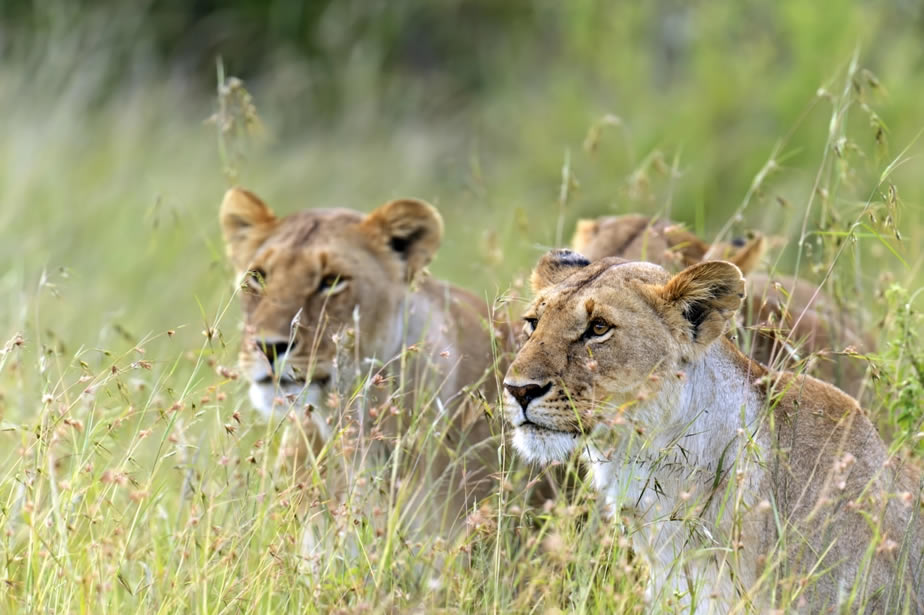
There are also many types of wildlife throughout the reserve, including:
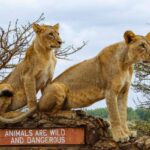
- Lions
- Leopards
- Elephants
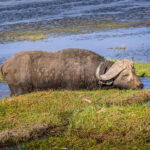
- Buffalo
- Rhinos
- Cheetahs
- Hyenas
- Giraffes
- Hippopotamus
In fact, several visitors are amazed at the volume of the wildlife they experience outside of migration.
The Maasai Mara is one of Africa’s best destinations for observing game animals.
10. Consider a Hot Air Balloon Safari
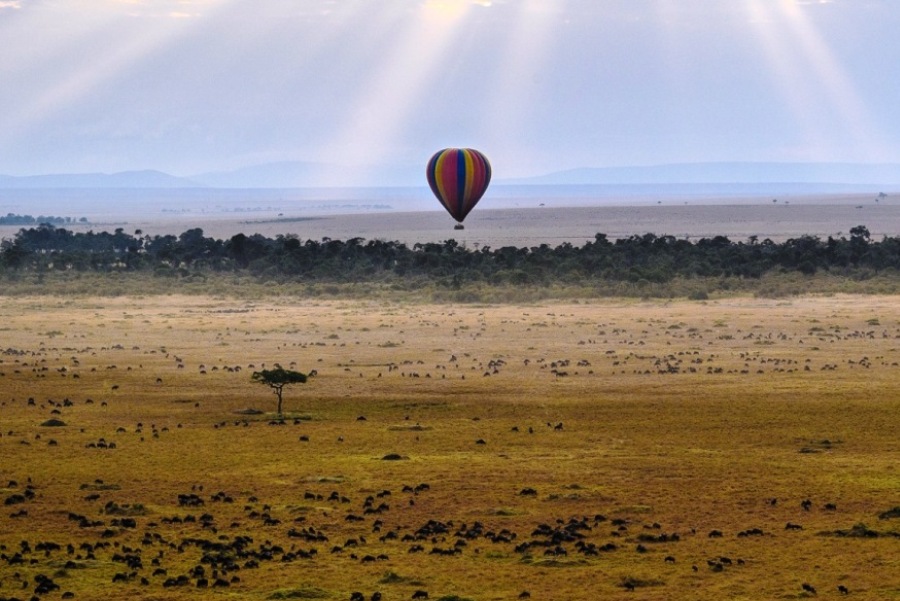
A hot air ballooning expedition enables a whole new, different view of migration.
The activity starts before, in the dark, before the sun rises. As you ascend into the air in the balloon above the plains, you can witness the herds moving on the ground below and enjoy the 360-degree views of all aspects of the terrain.
Most travelers are glad they made this part of their safari.
This is included in the price of your safari but will provide you with enough memories and photographs to last a lifetime!
11. Learn About the Maasai Culture
The Maasai, one of the world’s most well-known tribes, are the people for whom this protected area has been named.
Many safari itineraries offer optional excursions to visit Maasai villages, where you can see and learn more about:
- Livestock herding
- Traditional ways of living
- Cultural ceremonies
- History of the Maasai
This cultural aspect of your experience contributes to the overall wildlife experience and gives you an idea of how residents coexist with wildlife.
12. Be Ready for Different Weather Conditions
New vacationers have predetermined expectations about the weather they will experience on their first trip to Africa.
The Maasai Mara has seasonal unpredictability.
Typical weather patterns include:
- Cool mornings
- Moderate compressions during lunch hours
- Chance of afternoon thunderstorms.
Layering your clothing will keep you at ease during different temperatures.
13. Choose the Right Safari Duration
New visitors to the Maasai Mara can easily make the mistake of staying only one or two nights. However, due to the nature of migration, staying for a longer period will result in more opportunities.
The recommended amount of time to stay is:
- 3 nights minimum
- 4-5 nights for ideal duration
With this amount of time, a new visitor will be able to explore many different areas and will have many more opportunities to witness various important events that affect the migration.
14. Respect Wildlife and Safari Etiquette
Always practice responsible wildlife viewing.
When participating in game drives, remember to: Listen to your guide; Keep your voice down; don’t get out of the vehicle if not instructed; never feed the animals; and follow the rules of the park.
When you are engaged in responsible travel, you contribute to preserving the environment, thus allowing future generations to view the migrations.
15. Consider Combining the Maasai Mara with Other Destinations
Some people combine their trip to the Maasai Mara with other places in Kenya.
Popular destinations include:
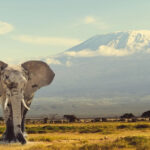
- Amboseli National Park, which has elephants and a view of Mount Kilimanjaro
- Lake Nakuru National Park, known for its rhinos and bird life
- Diani Beach, great for relaxing after safari
- Watamu is great for marine adventure
Joining a beach and safari gives travelers a complete Kenya experience.
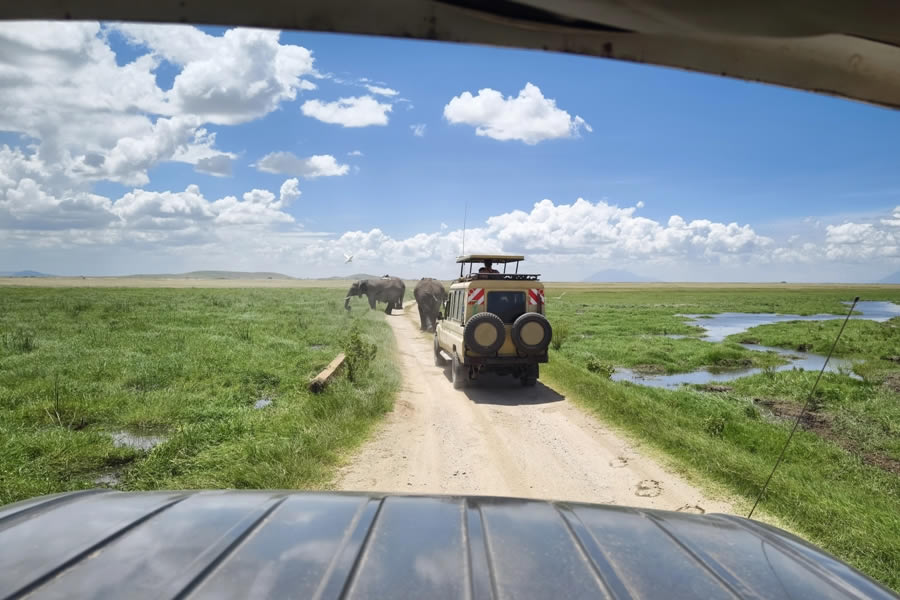
Why the Migration is Worth the Journey
The Great Migration of Giant Antelopes is not simply another animal movement or just an impressive display by Mother Nature; it also represents one of her most astonishing moments.
Witnessing tens of thousands of these mammals travelling in tandem through the African grasslands is something that few things on the planet can match.
The migration serves to highlight the fragile balance of predator and prey relationships, climatic changes, and ecology.
For many of those who travel to Africa to witness the Great Migration, the journey will remain etched in their memory as one of the things to do in life.
Final Thoughts
Visiting Kenya for the Great Migration for the first time is a once-in-a-lifetime opportunity.
With some preparation, you can have an unforgettable wildlife experience in Kenya’s Maasai Mara.
The Maasai Mara has one of the most remarkable wildlife experiences with its daily surprises, including exciting river crossings, thrilling predator sightings, incredible scenery, and unique cultural experiences.
If you want to see the Great Wildebeest Migration, the best place to do so is in Kenya’s Maasai Mara National Reserve, which is one of the most outstanding wildlife reserves globally.