Very few regions in the world have areas where pure nature still exists. Nature where lions stroll the bush, mountain gorillas hide away deep in the mist, and the mountains are formed by active volcanoes, while old civilizations continue to coexist peacefully with natural life. East Africa can be counted among such rare regions.
East Africa includes Kenya, Tanzania, Uganda, and Rwanda. These countries are home to some of the great wild nature sites. Vast savannas, high mountains, old rainforests, picturesque volcanoes, and wonderful lakes await the tourists in this fabulous land, and every trip is filled with adventure and excitement.
East Africa is one region where the development of cities has not spoiled the wild environment. It is possible to drive along protected areas for many hours without running into towns. Visitors have a rare chance to see nature in the way it existed for centuries.
So if you are planning your first safari in Africa or you are returning to this amazing region again, you will find many wild places and be able to enjoy the unspoiled beauty of East Africa.
- The Endless Plains of the Maasai Mara
Not many places represent African wilderness like the Maasai Mara National Reserve does.
The Maasai Mara, located in the southwest of Kenya, is one of the most popular destinations to go on safari in the world. Its infinite golden plains stretch endlessly with many acacia trees, flowing rivers, and a variety of flora and fauna.
This reserve is part of the bigger Serengeti-Mara ecosystem, where wildlife can migrate freely.
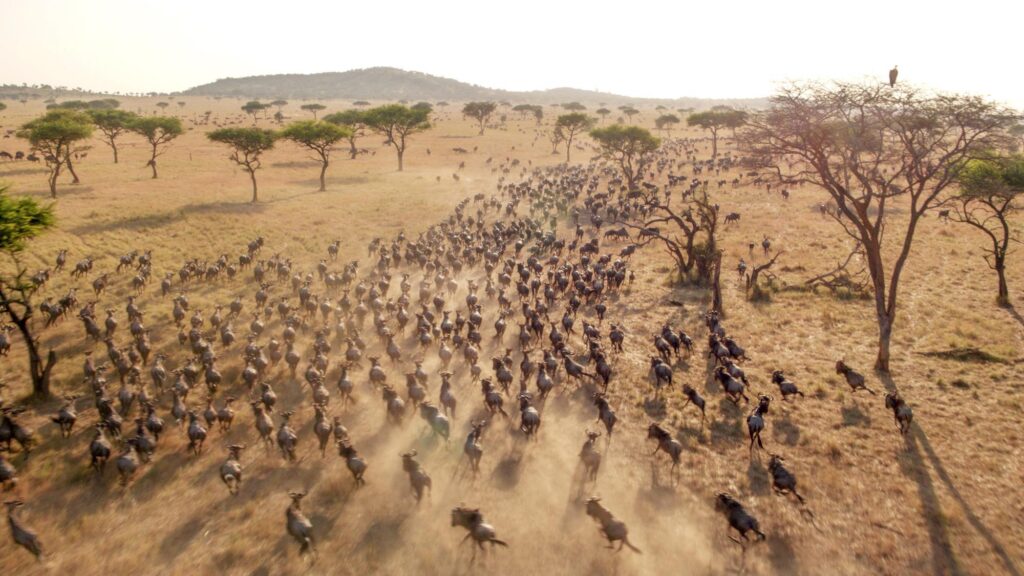
Home of the Great Wildebeest Migration
Every year, from July to October, over two million wildebeests, zebras, and gazelles roam their way from Tanzania to Kenya.
The spectacular crossings of the Mara River form one of nature’s most important spectacles, during which crocodiles wait, and predators guard the rivers’ edges.
Witnessing such migration is said to be one of the most breathtaking wildlife experiences on our planet.
Incredible Predator Sightings
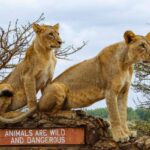
The Maasai Mara is home to one of Africa’s largest populations of predators.
Tourists are likely to see:
- Lions
- Leopards
- Cheetahs
- Hyenas
- Jackals
Both the morning and evening safaris provide opportunities to witness unusual hunting practices and social behavior of these animals.
More Than Wildlife
The Maasai community, known for its cultural richness and connection to land, also exists in the Mara.
During a visit to a Maasai village, one can learn about:
- Local customs and traditions
- Keeping animals
- Cultural events
- Community conservation
The combination of wildlife and culture makes for a memorable safari experience.
- The Mountain Gorillas of Uganda and Rwanda
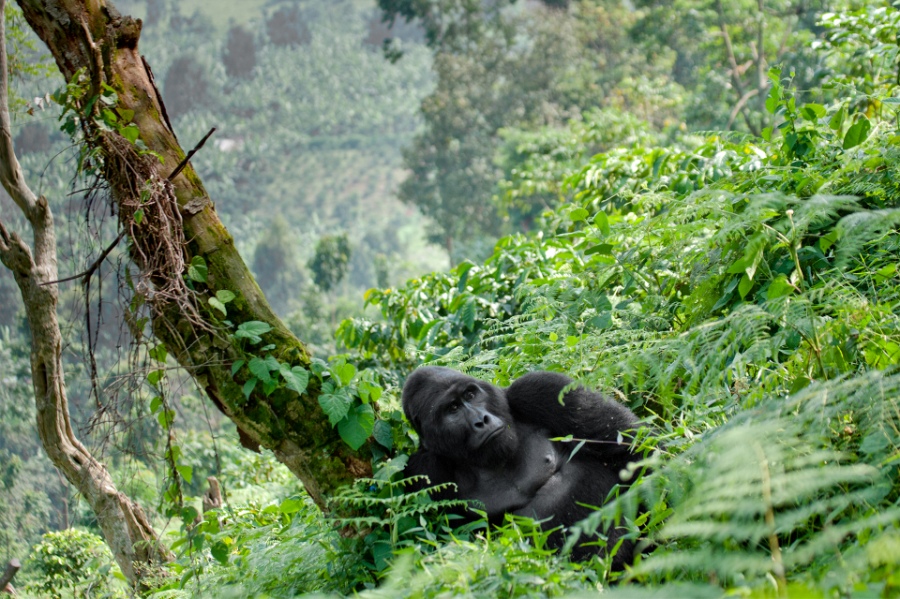
Upon seeing a family of mountain gorillas mere meters away from your position, you may agree that there are few wildlife experiences like it.
These massive creatures inhabit the remote and inaccessible forests of Uganda, Rwanda, and the Democratic Republic of Congo.
Trekking for gorillas is widely accepted to be among the world’s most powerful wildlife encounters.
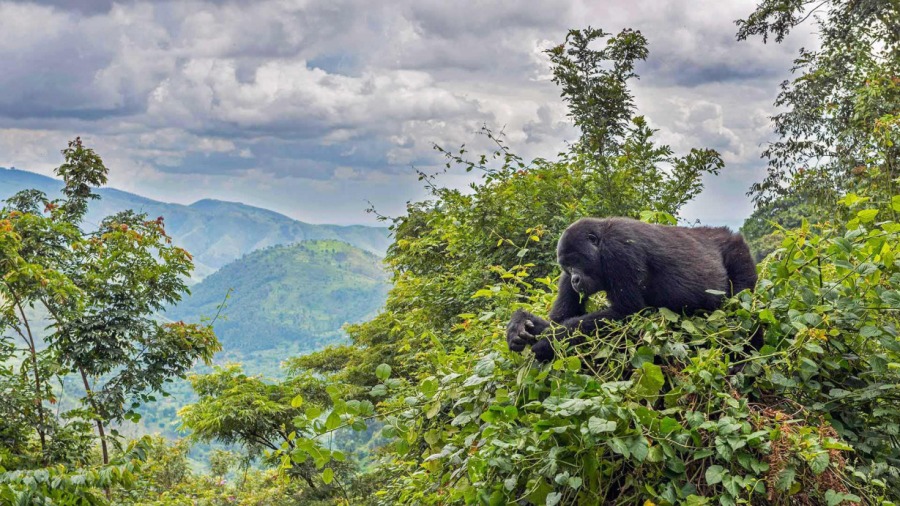
Uganda’s Bwindi Impenetrable Forest
Bwindi Impenetrable National Park serves as a sanctuary for almost 50% of the mountain gorilla population left on Earth.
The adventure kicks off with a hike through the thick forest.
As travelers trek the uphill paths surrounded by lofty trees, their excitement becomes palpable with each footstep.
In time, the guides will take a group to an already familiarized family of gorillas.
Observing the youngsters playing and the mighty fully-grown males quietly keeping an eye on their surroundings is something many people will remember forever.
Volcanoes National Park, Rwanda
Just on the other side of the border lies Volcanoes National Park, a wonderful place for gorilla trekking.
The park was established due to conservationist Dian Fossey and boasts lush bamboo forests located in the shadow of the striking Virunga Mountains.
Given its developed tourism infrastructure and fairly short travel times, Rwanda is a favorite among those who do not have much time to travel.
Why Gorilla Trekking Is Special
In contrast to conventional safaris, where impersonal vehicle rides are taken, gorilla trekking is entirely a walking exercise.
Every trek is distinct because gorillas roam actively in the forest.
Participants in the adventure have time to observe:
- Family relationships
- Food acquisition manners
- Cleaning habits
- Young gorillas playing around
- Big gorillas worrying about safety
It is a very special interaction with wildlife that develops an emotional attachment to wildlife preservation.
- Tanzania’s Dramatic Volcanic Landscapes
Although Tanzania is well known for the Serengeti, its mountains provide a different perspective of East Africa’s wilderness.
The country is located in the Great Rift Valley region of East Africa and is influenced by geology, giving rise to the formation of huge volcanoes, big craters, and exceptional escarpments.
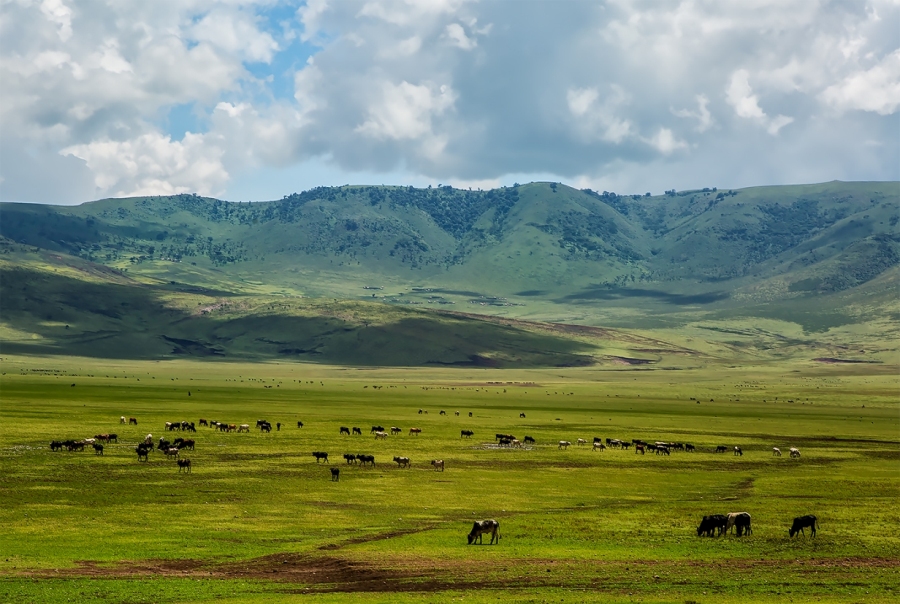
Ngorongoro Crater
The Ngorongoro Conservation Area is known for being the largest intact volcanic caldera in the world.
Also referred to as “The Garden of Eden of Africa,” the crater has the highest wildlife density in the world.
Here visitors can find:
- Lions
- Rhinos
- Elephants
- Buffaloes
- Flamingos
- Hippo
With its combination of wildlife and amazing landscapes, Ngorongoro is one of the wonders of Africa.
Mount Kilimanjaro
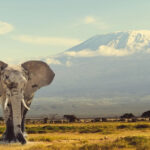
The highest peak in Africa is Mount Kilimanjaro, which can be found in the northern region of Tanzania.
Its frosty peak overlooks the plains surrounding it, making it the most idyllic scenery on the continent.
Many adventurers attempt to hike up Kilimanjaro, but experiencing it from the nearby Amboseli park is an experience like no other.
Ol Doinyo Lengai
Referred to as the “Mountain of God” by the Maasai, Ol Doinyo Lengai is the only currently active volcano in the world that erupts carbonatite lava. Its unique eruptions in a remote location make it one of the geological wonders of East Africa. Travelers looking for a unique destination that goes beyond safaris often add this incredible volcano to the list of places to visit.
- The Remote Beauty of Northern Kenya
The experience in northern Kenya is like that of another planet.
Distant from the hustle of the major tourist routes, the land presents breathtaking scenery, exotic fauna, and true culture.
This area is still regarded as one of the most untouched wilderness regions on the continent.
Samburu National Reserve
Samburu National Reserve is known for its breathtaking scenery and unique wildlife.
In this region, one can also see the “Special Five”:
- Grevy’s zebra
- Reticulated giraffe
- Beisa oryx
- Somali ostrich
- Gerenuk
These animals are incredibly suited to northern Kenya’s dry climate.
Shaba National Reserve
Shaba National Reserve, located in the nearby vicinity, promises the breathtaking beauty of volcanic terrains, enchanting riverine foliage, and the opportunity for spotting wildlife.
The calmness of the area makes it perfect for tourists looking to conduct their safari trips in a peaceful setting.
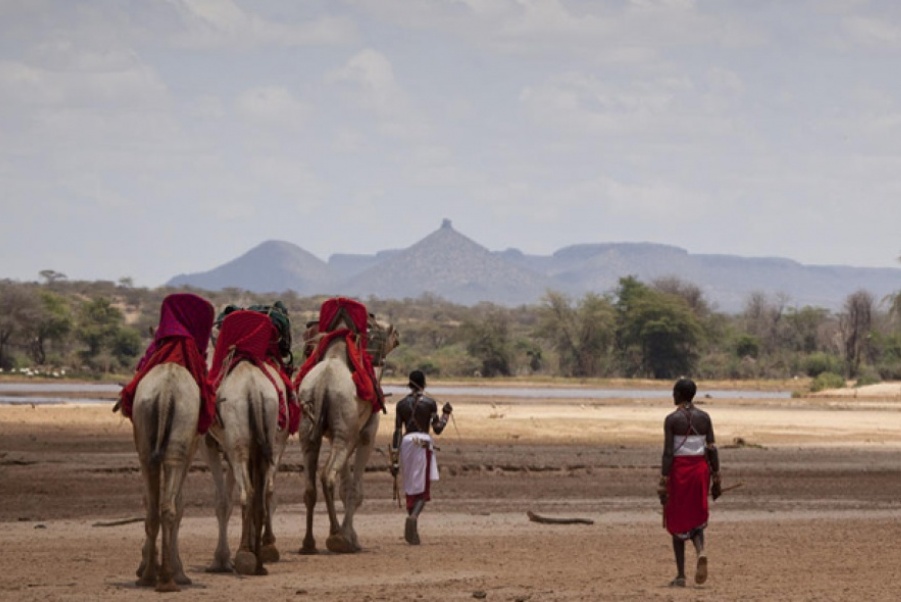
Lake Turkana
Also popularly referred to as the Jade Sea, Lake Turkana is the biggest permanent desert lake in the world.
With its volcanic landscapes and tribal settlements in the vicinity, the lake represents one of the most stunning places in East Africa.
The archaeological significance of the lake has made it one of the spots that are believed to be among the cradles of mankind in history.
Rich Cultural Diversity
Northern Kenya is abundant with native communities such as the Samburu, Turkana, Rendille, and Borana.
These communities thrived with their cultural practices throughout history, despite the trying conditions of the region.
Getting to know the locals will give you an insight into the diverse cultures that East Africa has to offer.
Why East Africa Remains One of the Last Great Wilderness Regions
It has been seen in many parts of the world that cities have taken over natural landscapes.
East Africa is not like this.
Extensive protected areas make it possible for animals to move around freely.
Among things protected in this region are:
- Parks,
- Conservancies,
- Marine reserves,
- Tropical forests,
- Mountain ecosystems,
- Wetlands,
All these places have made it possible for East Africa to preserve an impressive amount of biodiversity.
Extraordinary Wildlife Diversity
The regions of East Africa host:
- The famous animals that make up The Big Five
- Mountain gorillas
- Chimpanzees
- Many bird species make East Africa their home
- Marine life
- Rare antelopes
- Unique reptiles
Few places in the world can boast of such variety in one region.
Conservation Success Stories
Countries in Eastern Africa have invested heavily in conservation projects.
Projects for the protection of:
- Rhinos
- Elephants
- Gorillas
- Sea turtles
- Forests
have provided many endangered species with the chance to recover.
Conservation projects are very beneficial for local communities.
Adventure Beyond Traditional Safaris
Eastern Africa has way more to offer than just game drives.
Visitors can enjoy the following types of adventures:
- Trekking gorillas
- Climbing mountains
- Going on hot air balloon safaris
- Taking walking trips
- Observing birds
- Getting involved in marine adventures
- Learning about various cultures
- Canoeing
- Hiking
The variety makes it so that the journeys are different every time
Landscapes That Inspire
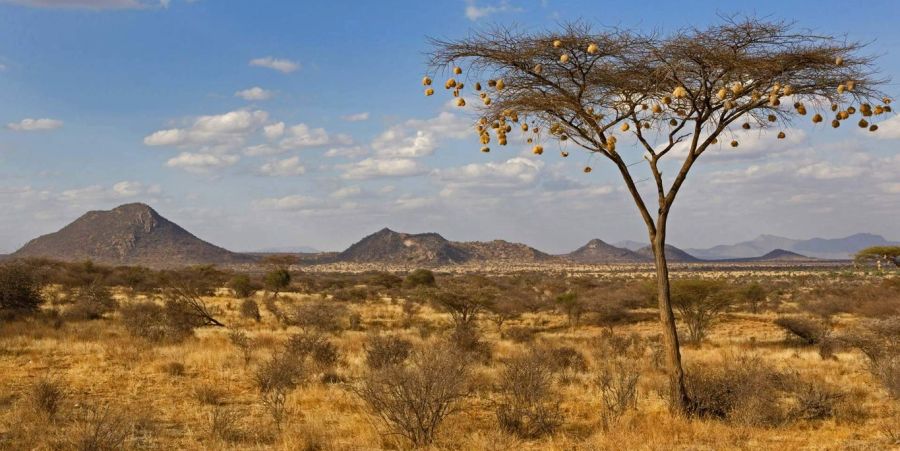
From Kenya’s golden plains and Uganda’s cloudy forests to Tanzania’s volcanic mountains and Rwanda’s mountain chains, East Africa has so much to offer in terms of beautiful landscapes that can hardly be encountered elsewhere in the world.
Every place presents various captivating sides of the beautiful nature.
Best Time to Explore East Africa
The best time travel season depends on what you enjoy doing.
If you like safaris, the Great Wildebeest Migration, and wildlife watching, then between June and October is the best time for you.
If you are a photographer, the ideal time to travel is between December and February when weather conditions are favorable.
When it comes to gorilla trekking, travelers can do it any time of the year, but they usually like to plan their trip for the drier part of the year.
Coastal areas and marine reserves can be visited at any time of the year as well.
When you combine several East African countries, you will see all the different landscapes and wildlife in East Africa!
Final Thoughts
The region of East Africa is one of the few remaining places on Earth to experience things very much as they were before human influence. Many parts of Mother Nature are functioning here the way they were doing throughout the history of planet Earth, including vast plains of the Maasai Mara, foggy jungles of Uganda and Rwanda, volcanic regions of Tanzania, and distant territories of Northern Kenya.
These places do not just give you memory trips with spectacular scenery. These landscapes amaze with their attributes and features, giving additional knowledge of the universe and its importance for humans.
Whatever one may witness in East Africa, including the Great Wildebeest Migration, the gorillas in the mountains, ancient volcanic craters, or the northern part of the country, the moment spent on the various experiences will stay for a long time after one gets back.
Real touristic adventure is definitely not beyond East Africa.