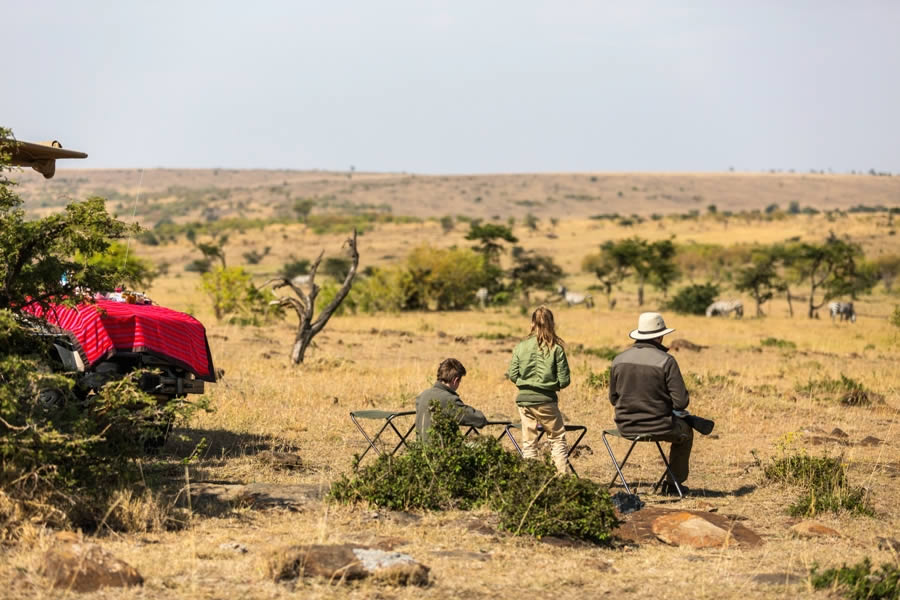
The Masai Mara National Reserve is one of the most well-known safari spots in Africa, receiving tourists from all over the globe who come to marvel at the wonderful wildlife and scenery as well as have an unforgettable safari experience. The Masai Mara is home to the famous Big Five and the Amazing Wildebeest Migration and is renowned for its good game watching throughout the year.
One of the most frequently asked questions by tourists is, “When is the ideal time to travel to Masai Mara?” This can be answered in various ways, depending on what you would like to see during your trip. While some travelers wish to witness the spectacular river crossings during the time of the Great Migration, others would like to travel when there are fewer tourists, lower rates of accommodation, or some beautiful green landscapes after the rains.
This guide will outline what to expect every month on your safari to Masai Mara.
Is There a Bad Time to Visit the Masai Mara?
The answer is a clear “no”.
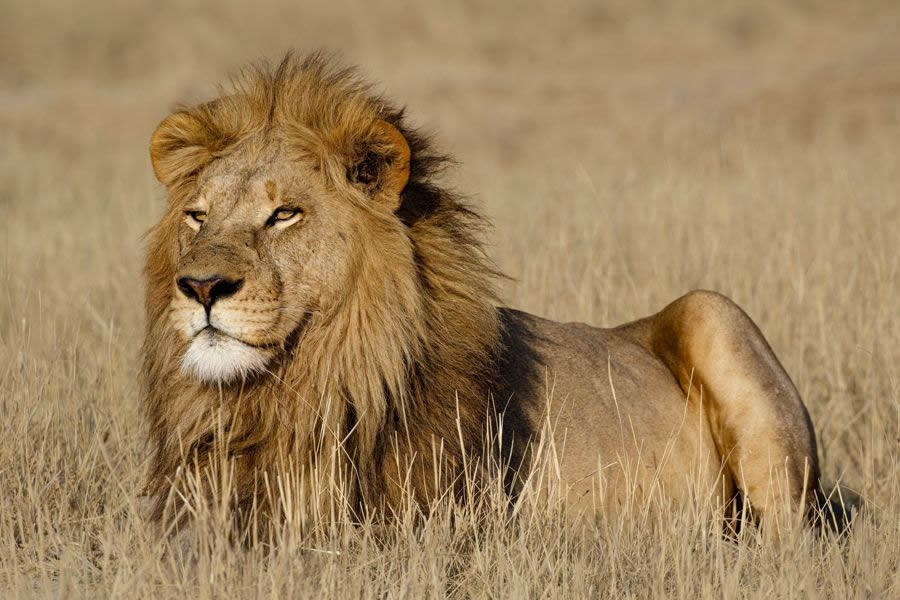
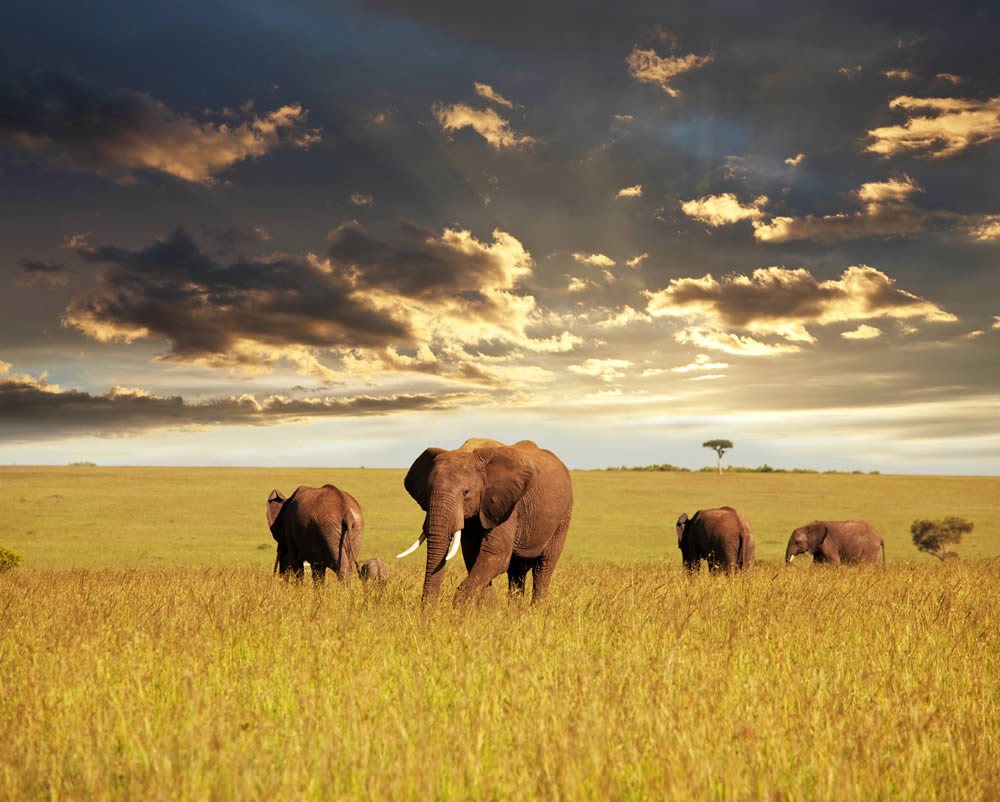
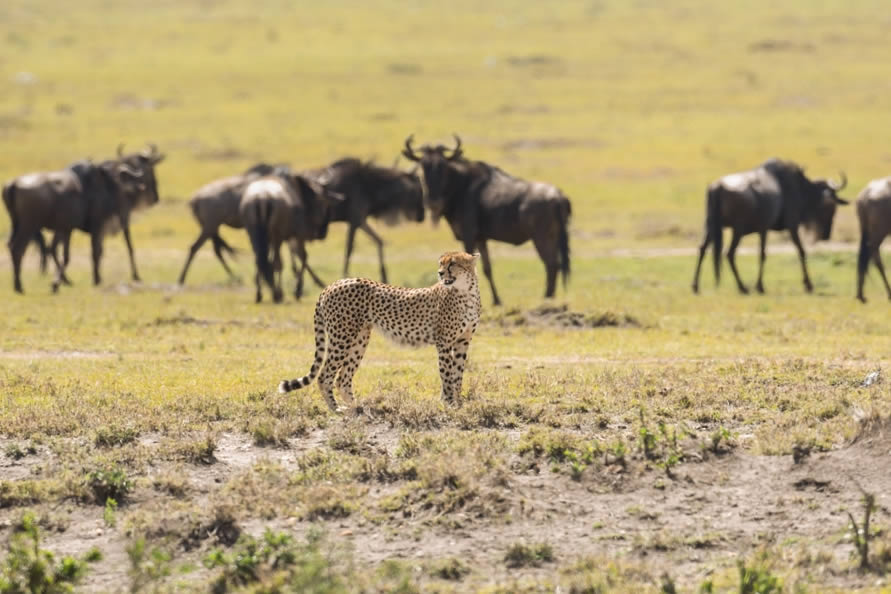
Masai Mara is open to visitors all year round with wild animals present at all times of the year. Lions, elephants, leopards, buffalo, giraffes, zebras, cheetahs, hyenas, and other many species of antelopes are all found in the reserve every single day of the year.
However, the weather conditions, the number of visitors, and the activity of animals depend on different months of the year, and this means that different periods are better for different types of tourists.
Understanding the Seasons
There are two major seasons in Masai Mara:
Dry Season (June-October)
This is the season known for the best safari.
During this season:
- There is short grass, which makes it easier to notice the animals;
- Animals gather around rivers and waterholes;
- Roads are easier to travel through;
- Weather is warm during the day
- It is the time of the Great Migration.
In general, this is a very good time for observing animals in Africa.
Wet Season (November-May)
Wet season means rain and green vegetation.
Advantages of this season include:
- Beautiful views
- Excellent birdwatching
- Not too many tourists
- Cheap lodges
- Nice photos can be taken
- Animals are still plenty regardless.
Month-by-Month Guide
January
January is considered one of the best months to visit the Masai Mara.
Weather:
- Days are warm
- Mornings are cool
- Little rain happens
Wildlife:
- Impressive predator sightings
- Wildlife is present in the whole reserve
- Young animals can be seen
Photographing in show conditions because of clear skies and golden light.
February
February continues with remarkable conditions.
Reasons to visit:
- It is dry
- Temperatures are comfortable
- Game viewing is excellent.
- The number of tourists is lower than in peak migration season
This month is popular with photographers.
March
March marks the start of rainy season.
Expectations:
- You will get occasional showers
- Everything will become green
- Good wildlife viewing
- Discounted prices for safaris.
- Rain does not last long, and most game drives go as planned.
April
April is generally considered to be the wettest month.
Advantages:
- Fewer safari vehicles
- Cheap hotels
- Green landscapes
- Good bird watching
Though the roads may get muddy, experienced guides will still make interesting game drives.
May
The amount of rain gradually decreases.
Details:
- Beautiful landscapes
- Fewer visitors
- More wildlife
- Excellent safari offers
A good option for budget travelers in this period.
June
June marks the start of the dry season.
Be prepared for:
- Cool mornings
- Dry weather
- Easier wildlife spotting
- Increased tourist flow
- More animals flock to a few water sources.
July
July is one of the most thrilling months.
Things to look forward to:
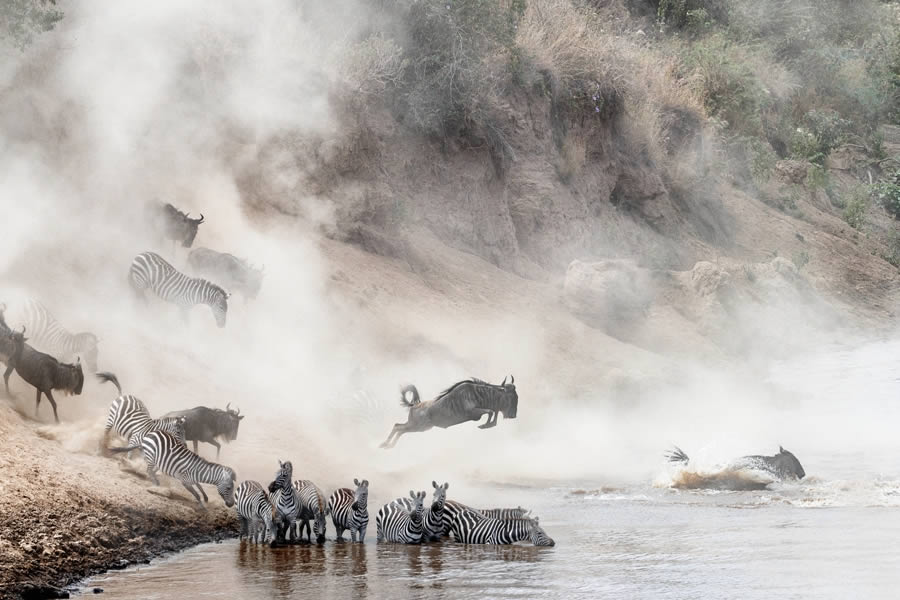
- The Great Wildebeest Migration
- Plenty of predators
- Great photography
- Mild temperatures
- Most lodges are fully booked long in advance.
August
August is known to be one of the best months for vacations.
This month visitors may encounter:
- Dramatic river crossings
- Huge herds of wildebeests
- Crocodiles
- Predatures involvement
- Wildlife viewing is at its peak in the reserve.
September
September continues the migration season.
Advantages of this month include:
- Perfect weather
- Active wildlife
- Great game drives
- Fantastic photography
Wildlife migration is still popular.
October
The migration reaches its final stages in October, which provides visitors with:
- Dry weather
- Amazing wildlife experiences
- Less crowded tourist destinations than in August
October is one of the best months for safaris.
November
Short rains begin in November, and the advantages are as follows:
- Green milieu
- Arrival of migratory bird species
- Low accommodation prices
- Greater peace during safari trips
- Wildlife view remains available.
December
December combines Christmas travel and great safari experiences. In December, visitors get:
- Warm weather
- Great number of animals
- Nice landscapes
- Christmas spirit
Booking in advance is advised during the period of Christmas and New Year.
Best Time to See the Great Wildebeest Migration
This event is one of nature’s most remarkable phenomena.
To clarify:
- July is when the herds set off.
- August sees the greatest crossings.
- September has the remaining herds.
- October is when they are on the move once again south.
Because the rainfall and migration correlate with each other, the dates vary from year to year.
Best Time for Observing the Big Five
Observing the Big Five can happen anytime of the year. However, the dry season is the best time to do so because:
Vegetation is short. Whilst animals tend to congregate in places with water. The roads are less difficult to drive.
Due to the reasons mentioned above, seeing the animals is easy.
Best Time for Birdwatching
Birdwatching enthusiasts should visit during the period from November until April, which is when:
The migratory birds come,
The animals have bright colors and the area is full of vegetation.
Best Time for Photographers
Photographers can shoot great photos all year long.
For the wildlife:
June to October brings impressive predator actions and migration sighting.
For the landscape:
November to May is the time of green vegetation, spectacular skies, and bright colors.
Golden hour is shortly after sunrise and just before sunset.
Best Time for Families
Families often travel during:
- June to August
- December holidays
These months give:
- Pleasant weather
- Great wildlife watching
- Free school holidays
Booking is necessary in these busy times.
Best Time for Honeymooners:
People in love may choose to come in:
- January to March
- November
In these months, there are:
- Less crowd
- Nice vistas
- More relaxed safari experience
- Great accommodation
Luxury tented camps are ideal for honeymooning.
Best Time for Budget Travelers:
People who want to travel cheaply can do it in:
- March
- April
- May
- November
The perks are:
- Lower rates at lodges
- Less crowded lodges
- Excellent wildlife viewing
- Beautiful green landscapes
Peak Season vs Low Season
Peak Season
June to October
Advantages:
- Exceptional wildlife views
- Great Migration
- Good weather is guaranteed
- Beautiful roads will be dry
Disadvantages:
- Prices are higher than usual
- Crowded areas with lots of tourists
- Reservations need to be done well in advance
Low Season
March to May
Advantages:
- Budget-friendly rates
- There’s not a lot of people in the parks
- Fantastic views
- Opportunities for photography
Disadvantages:
- Sometimes it rains
- Roads may be in bad condition in some places
Tips for Choosing the Best Time
- Plan your trip to see the Great Migration from July to October
- Plan your trip to see the wildlife from January to March
- Plan your trip to see the birds from November to May
- Plan your trip to save on accommodation costs from March to May
What to Pack
No matter when you plan to travel, pack:
- Clothes in neutral tones
- Comfortable shoes for walking
- Headgear
- Sunglasses
- Sun protection lotion
- Optical spyglass
- Photographic device
- Jacket for rainy days (especially important in the wet season)
- Warm jacket for game drives in the morning
Bringing layers is a good idea to feel comfy throughout the day, since the weather may change significantly.
Why Every Season Offers Something Special
The Masai Mara beauty lies in the fact that each Safari is a unique experience. At one time visitors can observe thrilling predator hunts, while at another time they can see hundreds of wildebeests crossing the Mara River, and at some other time tourists are offered peaceful safaris across the beautiful green plain where newborn animals may be observed together with plenty of different birds.
Final Thoughts
When you plan a visit to Masai Mara National Reserve will depend on what you are looking for in your safari experience. To see the Great Wildebeest Migration, you should consider traveling there between July and October. If you want to avoid large crowds, get to enjoy beautiful scenery and wonderful service, the green season, running from November to May, is going to be a perfect time for visiting the reserve.
Regardless of when you plan to visit the reserve, it is undeniable that wildlife watching in the Masai Mara is an unforgettable experience, with breathtaking landscapes and amazing safari service. If you make your safari well-prepared, you will see why the Masai Mara remains one of the most attractive places for tourists from all over the world.